
A dental bridge can make eating and speaking feel normal again. But what happens after the procedure is just as important as the treatment itself. Many patients assume regular brushing is enough, but bridges require a slightly different approach.
This guide walks you through clear, easy steps to protect your dental bridge and avoid common problems before they start.
Understanding How a Dental Bridge Functions
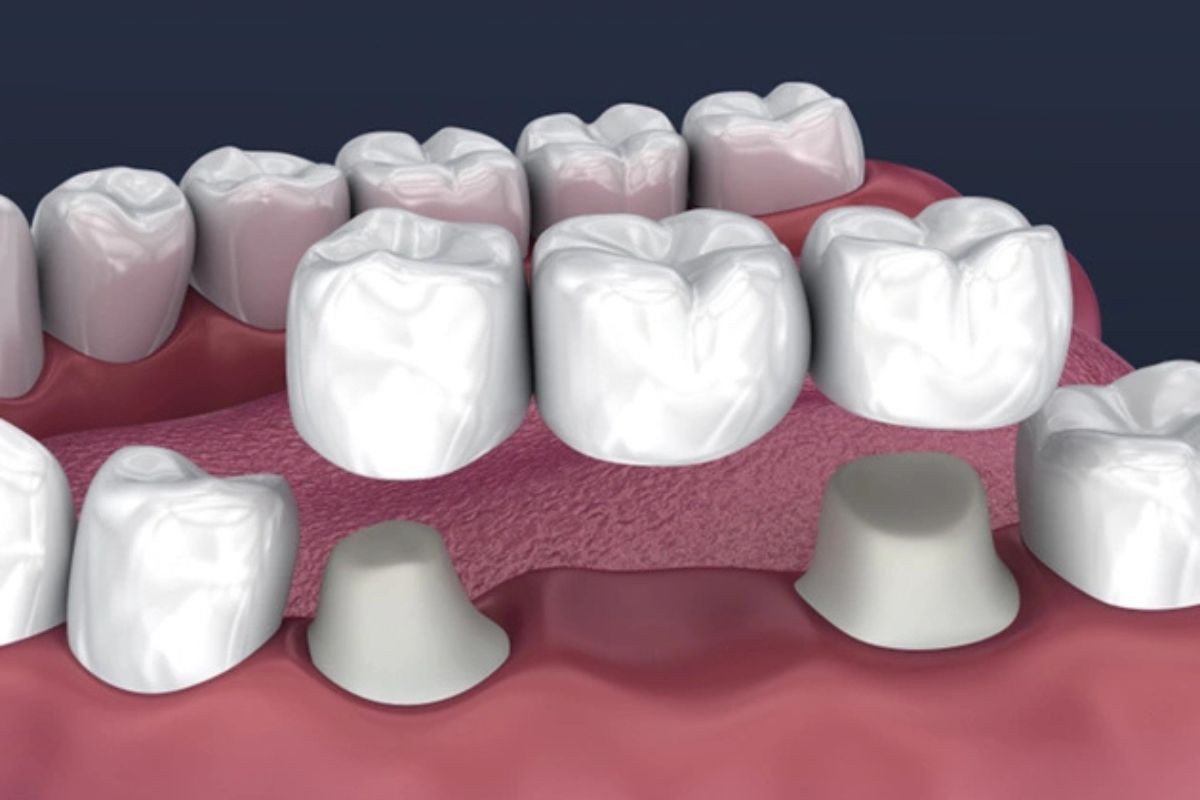
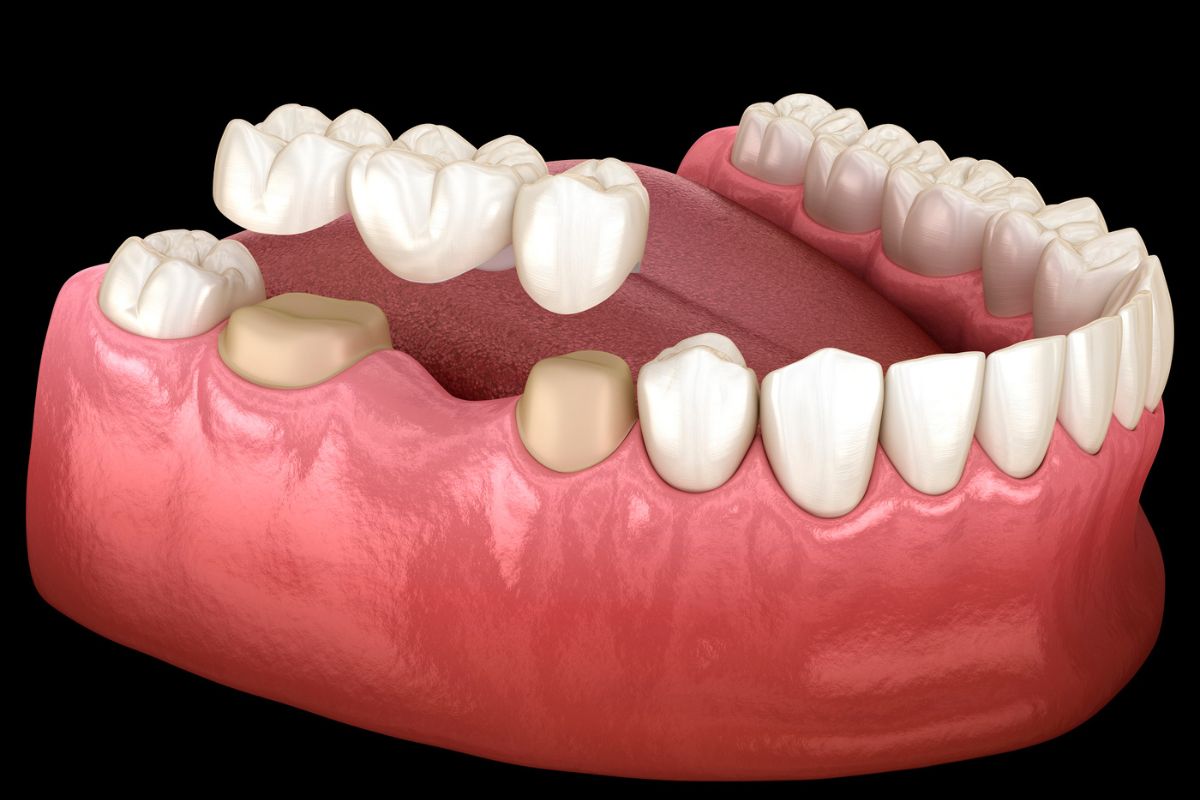
A dental bridge replaces one or more missing teeth by anchoring to the surrounding teeth or implants. It fills the gap, restores chewing ability, and helps maintain alignment.
However, unlike natural teeth, a bridge has areas underneath that can trap food and plaque. If not cleaned properly, this can lead to gum irritation or decay around the supporting teeth.
This is why patients with a dental bridge in Garner, NC, should follow a slightly more detailed care routine than just standard brushing.
Daily Cleaning Habits That Make a Difference
Your everyday routine plays the biggest role in keeping your bridge in good condition.
Here’s what works best:
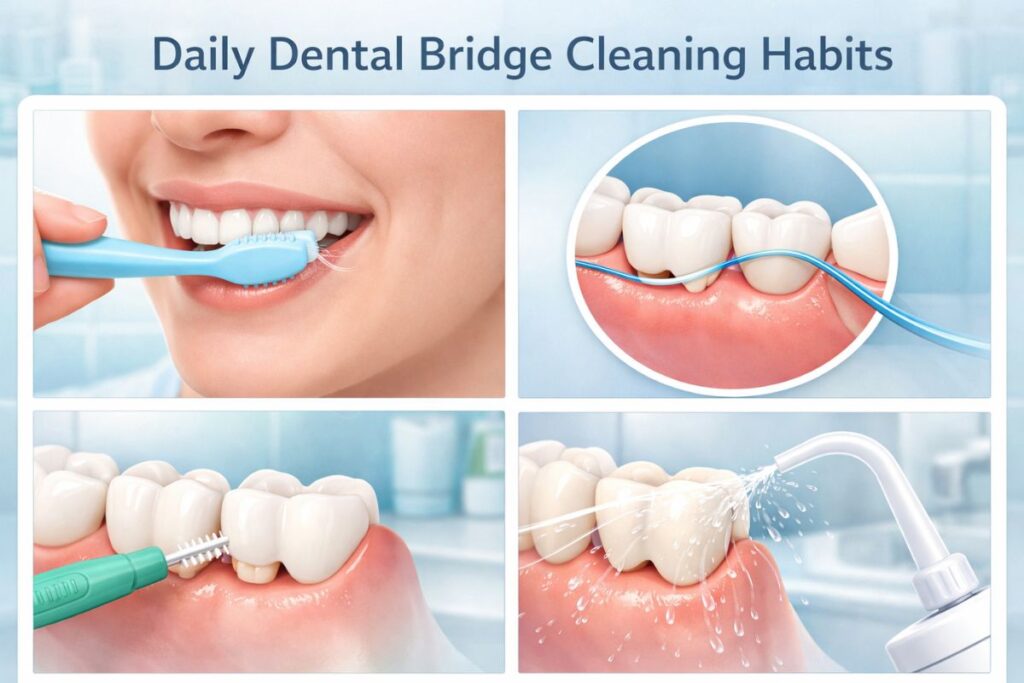
- Brush twice daily using a soft-bristle toothbrush
- Focus on the area where the bridge meets your gums
- Use fluoride toothpaste to protect supporting teeth
Clean Under the Bridge
This is the most important step many people miss.
- Use a floss threader or super floss
- Gently slide it under the bridge
- Move it side to side to remove trapped debris
Learn more about dental bridge cleaning
Add an Interdental Brush or Water Flosser
These tools help clean areas that regular brushing cannot reach.
- Interdental brushes work well for tight spaces
- Water flossers help flush out food particles
Consistent cleaning reduces the risk of gum problems and helps your dental bridge last longer.
Foods to Be Careful With
Your bridge is durable, but certain foods can put extra stress on it.
Try to limit or avoid:
- Hard foods like ice or hard candy
- Sticky foods such as caramel or chewing gum
- Very crunchy snacks that require excessive force
Instead, choose foods that are easier to chew and won’t pull on the bridge. If you’re eating tougher foods, try to chew evenly on both sides.
Signs Your Bridge Needs Attention
Even with good care, it’s important to watch for early warning signs.
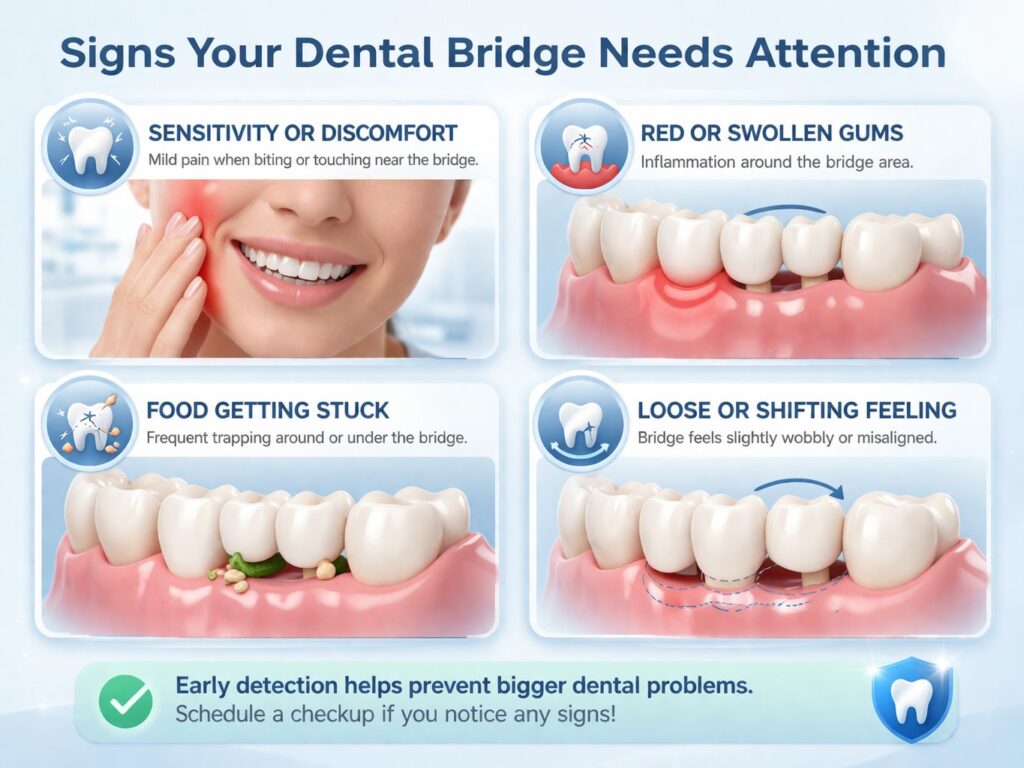
Pay attention if you notice:
- Sensitivity around the bridge
- Gum redness or swelling
- Food getting stuck more often than usual
- A loose or shifting feeling
If something feels off, it’s best to have it evaluated early. Small issues can often be managed before they become more complex.
Why Regular Dental Visits Still Matter
Home care is essential, but professional care completes the process.
Routine visits help:
- Remove buildup you can’t reach at home
- Check the stability of the bridge
- Monitor the health of the surrounding gums and teeth
Most patients benefit from visits every six months, but your provider may recommend a different schedule based on your needs.
Habits That Protect Your Bridge Long-Term
A few small habits can make a big difference over time.
- Avoid using teeth to open packaging
- Wear a nightguard if you grind your teeth
- Maintain a balanced diet to support oral health
- Stay consistent with cleaning—skipping days adds up
These steps help reduce unnecessary stress on your bridge and keep the supporting teeth strong.
How Dental Bridges Fit Into Overall Oral Care
Your bridge is just one part of your oral health. Keeping the surrounding teeth and gums healthy ensures the bridge continues to function properly.
In some cases, patients may also explore treatments such as dental crowns or other restorative options to support long-term oral stability. If alignment is a concern, solutions such as clear aligners may also be discussed during routine evaluations.
These approaches work together to maintain function and prevent future complications.
Common Mistakes to Avoid
Even with good intentions, certain habits can shorten the lifespan of your bridge.
Avoid these common mistakes:
- Skipping cleaning under the bridge
- Using hard-bristle toothbrushes
- Ignoring early signs of discomfort
- Delaying routine dental visits
Staying consistent and proactive helps prevent unnecessary complications.
Keeping Your Dental Bridge Simple to Maintain
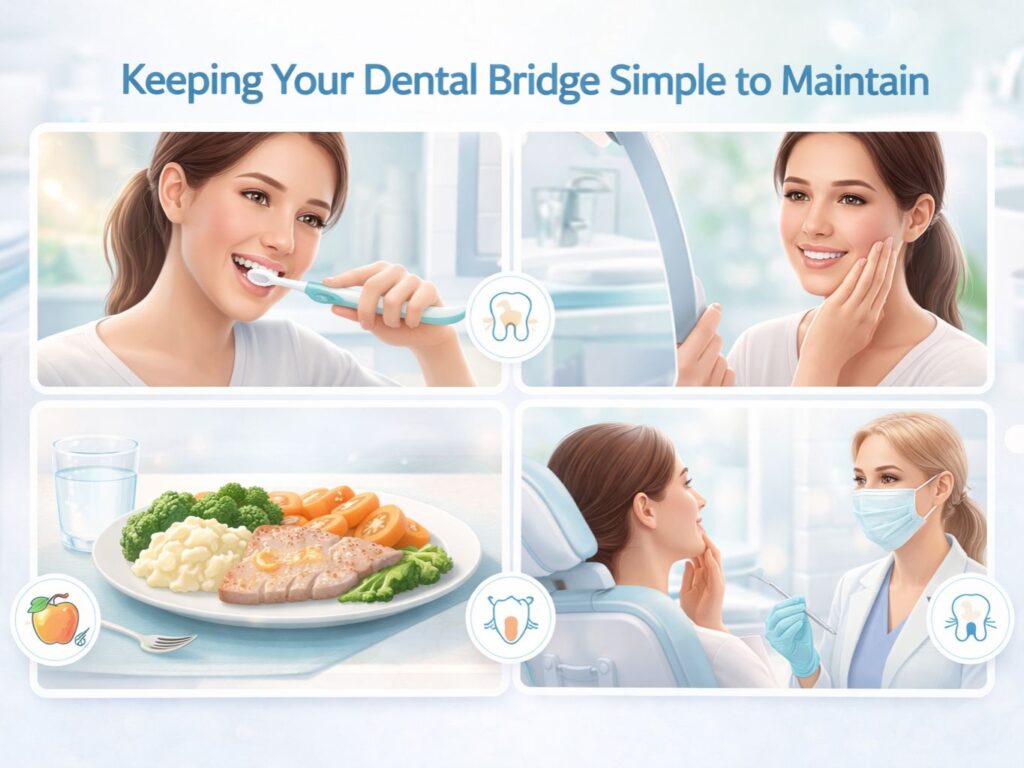
Caring for a dental bridge in Garner, NC, doesn’t have to feel complicated. With the right tools and habits, it becomes part of your normal routine.
Focus on:
- Daily cleaning with the right techniques
- Making smart food choices
- Watching for early signs of issues
- Keeping up with regular checkups
These steps help ensure your bridge remains stable and comfortable for years.
Take the Next Step Toward Better Oral Health
A well-maintained dental bridge in Garner, NC, supports daily comfort and function. Small efforts in your routine can prevent larger issues down the road.
If you have questions about maintaining your bridge or want guidance tailored to your needs, our dental team at Garner Dental Solutions is here to help. Schedule your visit today and keep your oral health on track with care that fits your lifestyle.
Common Questions People Ask
1. How long does a dental bridge typically last?
A dental bridge can last 10 to 15 years or longer with proper care. Daily cleaning and regular checkups play a major role in extending its lifespan and maintaining the health of surrounding teeth.
2. Do I need special tools to clean a dental bridge?
Yes, tools like floss threaders, super floss, or water flossers are recommended. These help clean underneath the bridge where regular brushing cannot reach effectively.
3. Can food get stuck under a dental bridge?
Yes, food particles can collect under the bridge. This is why cleaning underneath it daily is important to prevent plaque buildup and gum irritation.
4. Is it normal for a dental bridge to feel different over time?
It may feel different if there is wear, gum changes, or minor movement. If discomfort or looseness occurs, it’s important to have it checked.