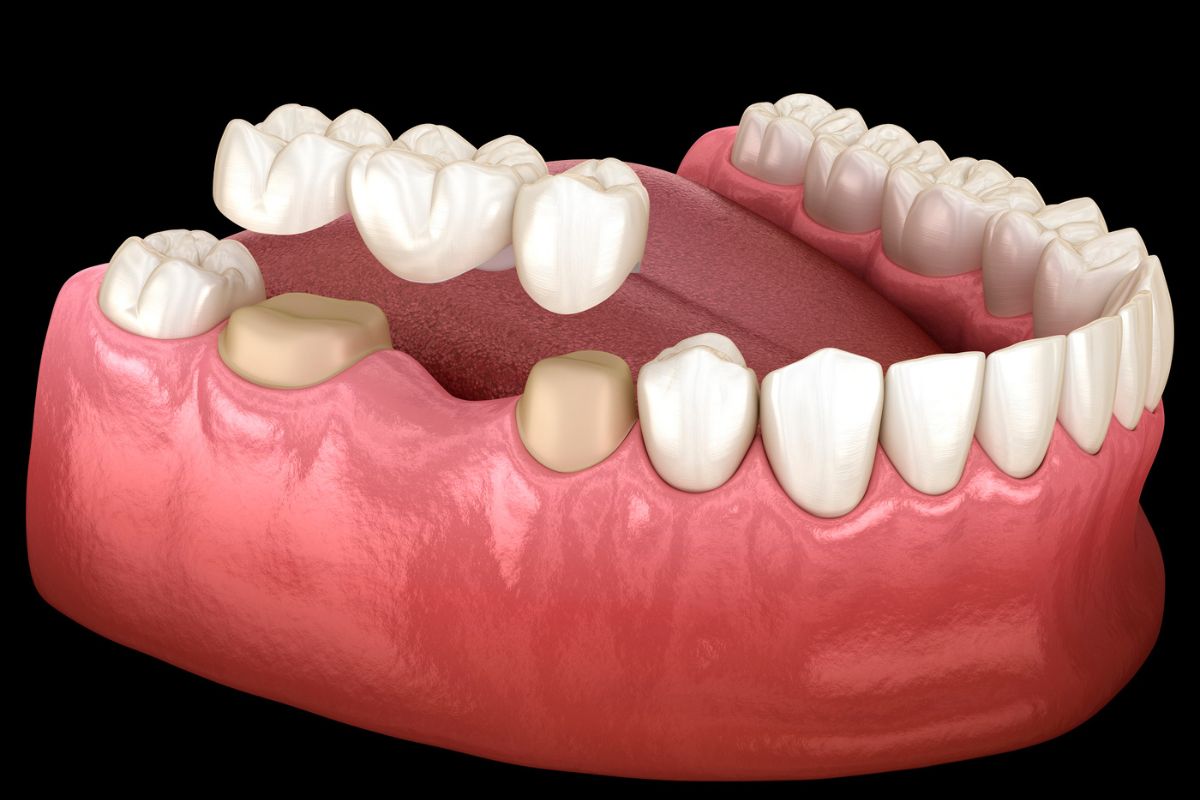

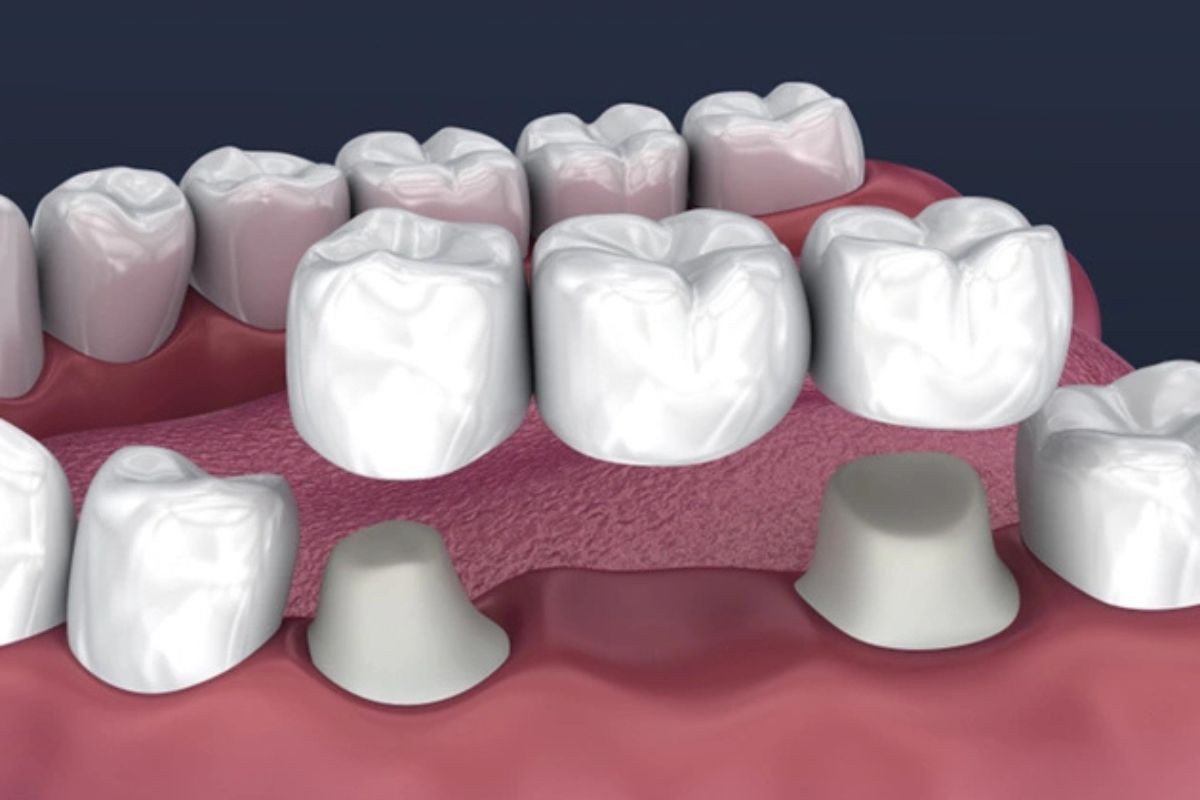
A dental bridge is one of the most time-tested tooth replacement options in dentistry — and for good reason. It’s fixed, functional, and when properly cared for, it can serve you well for many years. But “how long does it last?” is a question worth answering honestly, because the answer depends on more than just the quality of the materials used.
Most patients are surprised to learn that their own daily habits play just as big a role as the clinical work itself. Here’s what you need to know.
The Realistic Lifespan of a Dental Bridge
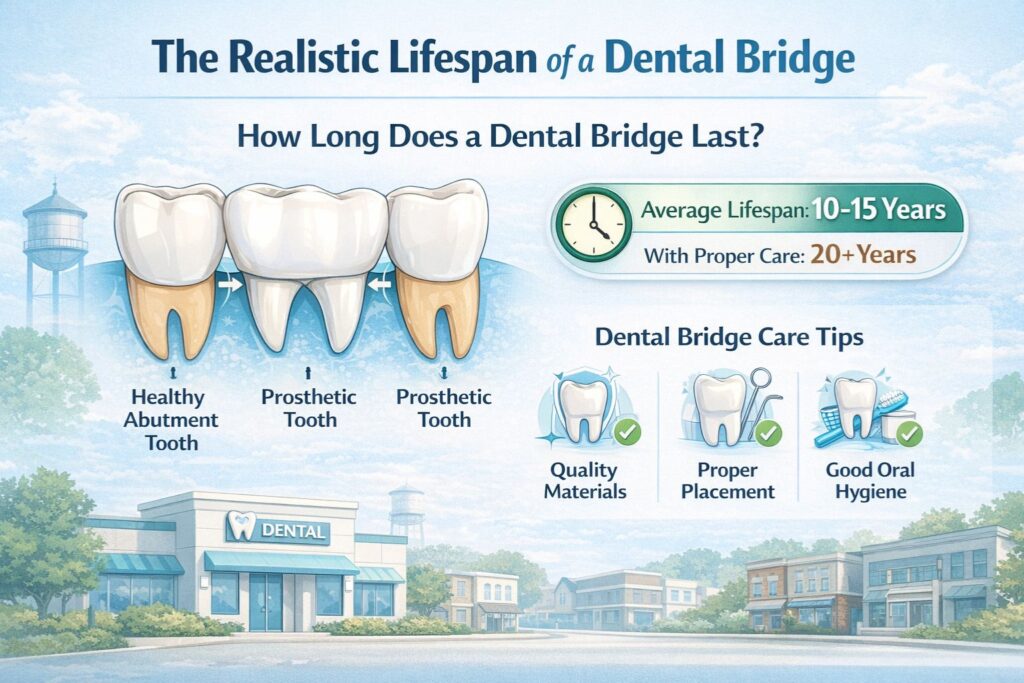
The average dental bridge lasts between 10 and 15 years. That’s the range you’ll find consistently across clinical research, and it holds true across different bridge types. With diligent care and favorable oral conditions, many patients keep their bridges for 20 years or more. Some last even longer.
What makes the difference? It comes down to a combination of material quality, how the bridge was placed, and how well you maintain it afterward. A dental bridge in Garner, placed with precision and supported by consistent oral hygiene, will consistently outperform a neglected bridge, no matter how good the initial work was.
Traditional bridges rely on the teeth adjacent to the gap — called abutment teeth — to support the prosthetic tooth (or teeth) in the middle. The health and structural integrity of those abutment teeth directly affect how long the bridge holds up.
Factors That Shorten or Extend Bridge Life
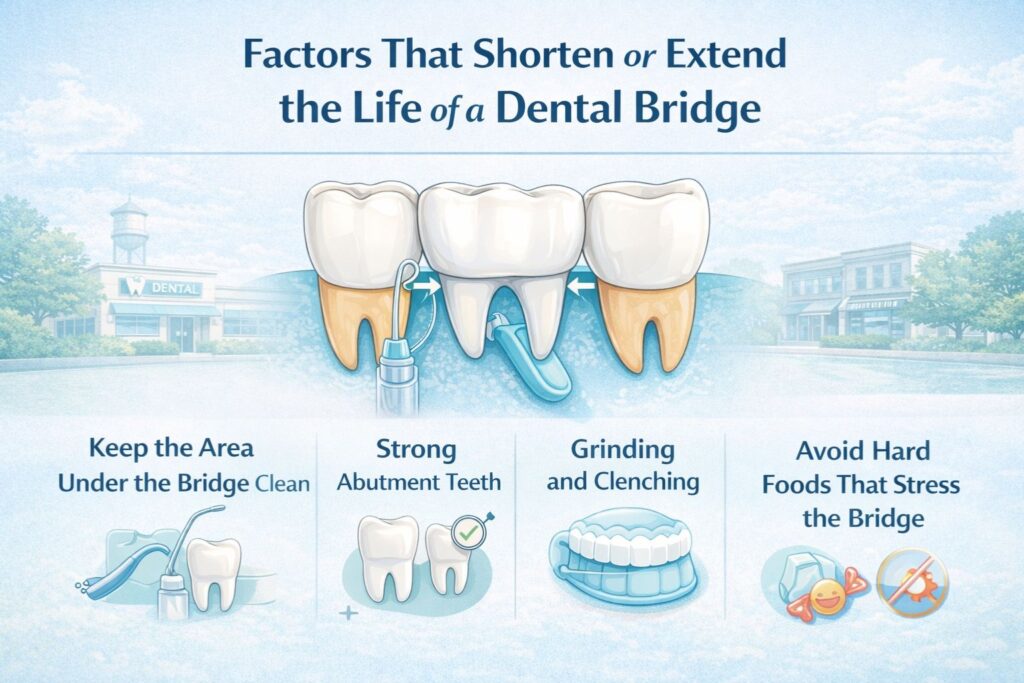
Understanding what works against a bridge’s longevity helps you protect yours. Several variables come into play.
Oral Hygiene Under and Around the Bridge
Food debris and plaque accumulate under the bridge’s pontic (the false tooth) just as easily as anywhere else in your mouth — sometimes more so, because the area is harder to clean. Bacteria that build up here can cause decay in the abutment teeth, which weakens the entire structure. Once the supporting teeth are compromised, the bridge becomes unstable.
Flossing under the bridge using a floss threader or water flosser isn’t optional — it’s what keeps the foundation sound.
The Condition of Your Abutment Teeth
Bridges are only as stable as the teeth holding them. If your abutment teeth develop decay, cracks, or gum disease, the bridge is at risk of failure. Your dentist will monitor these teeth at every checkup, which is one more reason those regular visits matter more than most people realize.
Grinding and Clenching
Bruxism — the clinical term for habitual teeth grinding or jaw clenching- puts excessive pressure on a bridge over time. This can cause fractures in the prosthetic material, loosen the cement seal, or damage the abutment teeth. If you grind at night, a custom night guard is a practical, low-effort way to protect your restoration.
Diet and Lifestyle Habits
Hard foods, ice chewing, and using your teeth as tools create unnecessary stress on any restoration. This doesn’t mean you can’t eat normally — it means being mindful about habits that put repeated mechanical strain on the bridge.
Types of Bridges and How Materials Affect Longevity
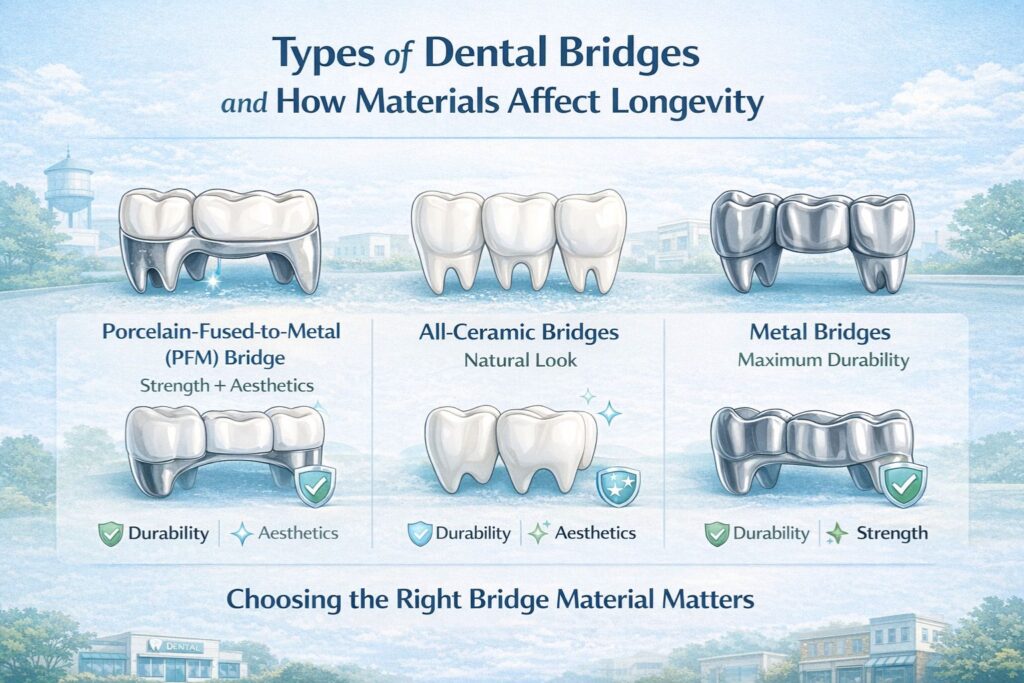
Not all bridges are made from the same material, and that matters for durability.
Porcelain-fused-to-metal (PFM) bridges combine a metal framework with a porcelain outer layer. They’re strong and have a long track record, though the porcelain component can chip over time. All-ceramic or all-porcelain bridges offer better aesthetics but may be less durable under heavy bite pressure. Metal bridges, while rarely used for visible teeth, are the most durable in terms of raw wear resistance.
Your dentist at Garner Dental Solutions will recommend a material based on the location of the bridge, your bite force, and your aesthetic priorities — not a one-size-fits-all approach.
Signs Your Bridge May Need Attention
Even well-maintained bridges eventually show signs of wear or loosening. Catching these early prevents more significant damage. Pay attention if you notice:
- Sensitivity or pain around the abutment teeth
- A rocking or shifting sensation when you bite
- Visible cracks, chips, or discoloration in the prosthetic
- Persistent bad breath despite good hygiene (can indicate bacterial buildup underneath)
- Difficulty flossing in the area, which may signal cement breakdown
None of these automatically means the bridge has failed — but each one deserves a professional look.
Keep Your Bridge Healthy
Garner Dental Solutions serves patients throughout Garner. The practice takes a thorough, individualized approach to restorative care, which means your bridge isn’t placed and forgotten — it’s monitored as part of your long-term oral health picture.
Regular checkups every six months allow the team to assess the bridge’s integrity, inspect the abutment teeth for early signs of decay or wear, and address small issues before they become larger ones. That consistency is genuinely one of the most effective ways to extend your bridge’s functional life.
A dental bridge placed and maintained within a proactive care relationship simply performs better over time.
A well-placed dental bridge can last well over a decade, and often much longer. But longevity is a two-way commitment — your dentist delivers quality work, and you follow through with the maintenance that keeps it intact. Hygiene, regular checkups, and a few mindful habits make the difference between a bridge that lasts 10 years and one that lasts 20.
Contact Garner Dental Solutions to schedule your consultation.
People Also Ask
Can a dental bridge be replaced if it fails?
Yes. If a bridge fails due to decay, damage, or loosening, it can typically be replaced. The condition of the underlying abutment teeth determines whether a new bridge is feasible or whether alternative restorations, such as implants, may be a better long-term solution.
Does getting a dental bridge hurt?
The procedure is done under local anesthesia, so you shouldn’t feel pain during placement. Some sensitivity around the abutment teeth is normal for a few days afterward. Most patients find the process much more comfortable than they anticipated.
Is a dental bridge better than an implant?
Neither is universally better — it depends on your bone health, budget, timeline, and the condition of adjacent teeth. Bridges are faster and don’t require surgery. Implants don’t involve altering neighboring teeth and tend to last longer. Your dentist can help you compare both options honestly.
How do I clean under a dental bridge?
Use a floss threader or orthodontic floss to thread beneath the pontic and clean the gum line underneath. A water flosser is also effective and easier to use daily. Your dentist or hygienist can demonstrate the best technique for your specific bridge design.
Will my dental bridge look natural?
Modern ceramic and porcelain materials closely match the color and translucency of natural teeth. Your provider will match the shade to your surrounding teeth, so the bridge blends in rather than stands out. Most people can’t tell the difference once the bridge is in place.