
You’re brushing your teeth like you always do, but this time you notice a little blood in the sink. Maybe your breath doesn’t feel as fresh as it should, even after brushing. Or your gums feel sensitive when you enjoy your favorite meals. These small signs are easy to ignore, especially when life in Garner keeps you busy with work, family time, and weekend visits to local spots.
But these symptoms can point to something more, gum disease, a common condition that affects many adults without them realizing it. It starts quietly and often goes unnoticed until it becomes more serious. Early detection matters because it can help prevent tooth loss and protect your overall health.
Understanding when to consider periodontal therapy can make a real difference. This guide will help you recognize the warning signs and know when it’s time to seek care.
What Is Periodontal Disease?
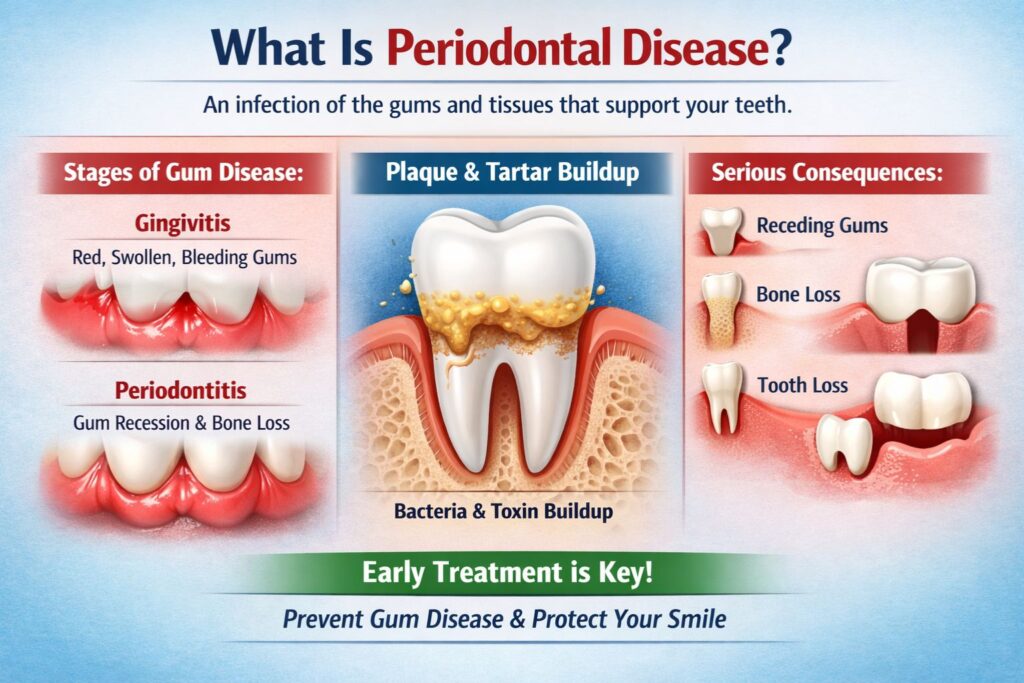
Periodontal disease, often called gum disease, is an infection of the tissues that support your teeth. It begins with plaque, a sticky layer of bacteria that forms on your teeth daily. When plaque isn’t removed through proper brushing and flossing, it hardens into tartar and starts to irritate the gums.
The condition develops in stages. The earliest stage is gingivitis, where gums may appear red, swollen, and may bleed easily. At this point, the damage is still reversible with proper care. If left untreated, it can progress into periodontitis, a more advanced stage where the infection spreads deeper. This can lead to gum recession, bone loss, and even tooth loss.
As the disease progresses, it doesn’t just affect your gums. It weakens the support system that holds your teeth in place. That’s why recognizing early symptoms and addressing them promptly is so important for maintaining a healthy smile.
Why Gum Health Matters More Than You Think
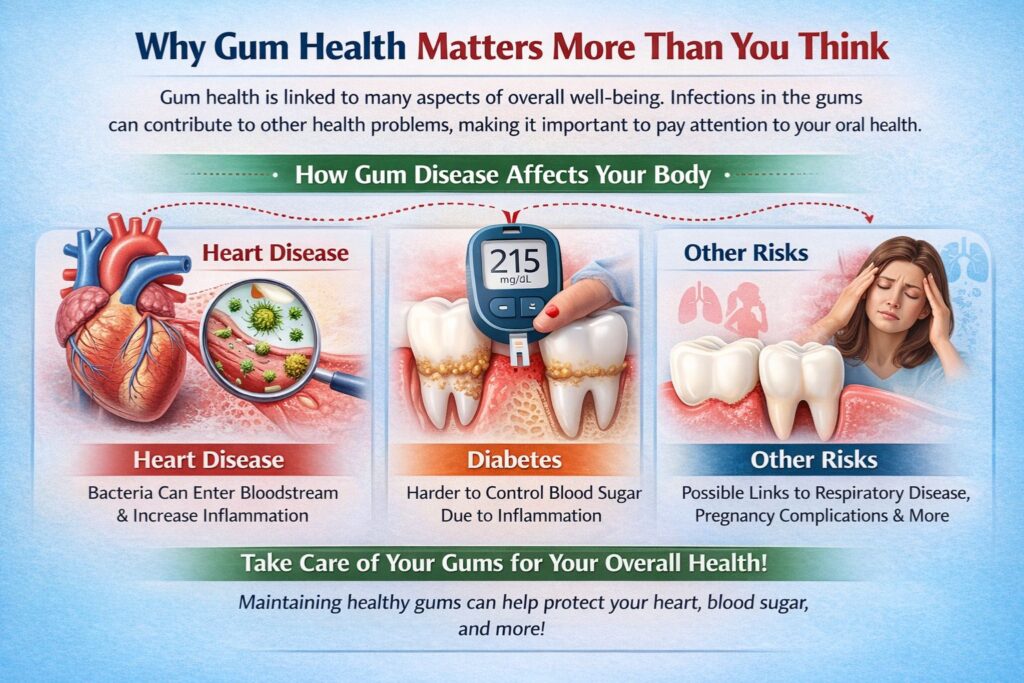
Your gum health plays a bigger role in your overall well-being than most people realize. The mouth is closely connected to the rest of the body, and infections in the gums can influence other health conditions.
Research has shown links between gum disease and heart health concerns. Bacteria from infected gums can enter the bloodstream and contribute to inflammation, which may affect cardiovascular health. Similarly, individuals with diabetes may find it harder to manage their condition when gum disease is present, as inflammation can interfere with blood sugar control.
What makes gum disease particularly concerning is how quietly it develops. Many people don’t experience significant pain in the early stages, so they assume everything is fine. Meanwhile, the infection continues to progress beneath the surface.
Paying attention to your gums and addressing changes early with periodontal therapy in Garner can help you avoid complications, not just for your smile but for your overall health as well.
Common Signs You May Need Periodontal Therapy
Bleeding Gums During Brushing or Flossing
If your gums bleed when you brush or floss, it’s often the first warning sign. Healthy gums should not bleed. This symptom may seem minor, but it usually indicates inflammation that needs attention.
Persistent Bad Breath
Ongoing bad breath that doesn’t improve with brushing or mouthwash can be caused by bacteria trapped below the gumline. This is a common sign of gum infection that shouldn’t be overlooked.
Red, Swollen, or Tender Gums
Gums that look darker than usual or feel sore to the touch are reacting to irritation. This inflammation is your body’s response to bacterial buildup.
Gum Recession
If your teeth appear longer than before, your gums may be pulling away. Gum recession exposes sensitive areas and can increase the risk of further damage.
Loose or Shifting Teeth
As gum disease advances, it can affect the bone that supports your teeth. This may cause teeth to feel loose or change position over time.
Pain While Chewing
Discomfort when biting or chewing can indicate deeper infection or damage to the supporting structures of your teeth.
Pus Between Teeth and Gums
The presence of pus is a clear sign of infection. It often appears in more advanced stages and requires prompt care.
Less Obvious Warning Signs People Often Miss
Not all signs of gum disease are easy to spot. Some develop gradually and can be mistaken for other issues.
You may notice increased sensitivity to hot or cold foods. While this is often associated with cavities, it can also occur when gums recede and expose the roots of your teeth. Changes in how your teeth fit together when you bite may also indicate shifting caused by underlying bone loss.
Another subtle sign is food getting stuck more frequently between teeth. This can happen as gum tissue pulls away and creates small pockets where debris collects. Over time, these pockets become breeding grounds for bacteria.
These symptoms are often overlooked because they don’t cause immediate pain. Many people attribute them to aging or temporary irritation. However, they can signal early stages of a more serious issue. Paying attention to these changes can help you take action before the condition worsens.
What Causes Periodontal Disease?
Several factors contribute to the development of gum disease. The most common cause is poor oral hygiene, which allows plaque and bacteria to build up over time. Without regular brushing and flossing, this buildup leads to irritation and infection.
Lifestyle habits also play a role. Smoking or using tobacco products weakens the body’s ability to fight infection and slows healing. Genetics can make some individuals more prone to gum disease, even with good oral care.
Hormonal changes, such as those during pregnancy, can increase gum sensitivity and inflammation. Medical conditions like diabetes can also make it harder for the body to manage infections, including those in the gums.
In a place like Garner, where busy schedules often include quick meals and on-the-go routines, it’s easy to overlook daily oral care. Stress can further impact your immune system, making it harder to fight off bacteria. Understanding these causes helps you take steps to protect your gum health.
When Should You See a Dentist in Garner, NC?
If you notice symptoms that last more than a few days, it’s time to schedule a dental visit. Occasional irritation can happen, but persistent issues like bleeding gums or bad breath should not be ignored.
Frequent bleeding during brushing or flossing is a clear sign that your gums need attention. Gum recession or loose teeth are more advanced symptoms and require prompt evaluation. Waiting too long can lead to more complex problems that are harder to manage.
Early evaluation allows your dental provider to identify the issue and recommend appropriate care before it progresses. In many cases, addressing the problem early can lead to simpler and more comfortable treatment.
What Is Periodontal Therapy?
Periodontal therapy focuses on cleaning and restoring the health of your gums. One common approach is scaling and root planing, a deep cleaning procedure that removes plaque and tartar from below the gumline and smooths the roots of the teeth.
This process helps the gums reattach to the teeth and reduces the spaces where bacteria can grow. After treatment, regular maintenance visits are important to keep the gums healthy.
In more advanced cases, additional treatments may be recommended to address deeper infection or damage. The goal is always to stop the progression of the disease and protect your smile.
How Periodontal Therapy Helps Protect Your Smile
Gum treatment does more than just address current symptoms. It helps stop infection from spreading to other areas of the mouth. Removing harmful bacteria, it allows your gums to heal and reattach to your teeth.
This support is essential for maintaining the stability of your teeth. Without it, the risk of tooth loss increases over time. Periodontal therapy in Garner also improves comfort by reducing inflammation and eliminating sources of infection.
Many patients notice fresher breath and a healthier overall feel in their mouth after treatment. Long-term care helps maintain these results and supports overall oral health.
At Garner Dental Solutions, the focus is on helping you maintain a healthy, comfortable smile with care that fits your needs.
Preventing Gum Disease: Daily Habits That Matter
Good daily habits can go a long way in protecting your gums. Brush your teeth twice a day using a soft-bristle toothbrush to remove plaque effectively. Flossing once a day helps clean areas that brushing alone can’t reach.
Regular dental visits are just as important. Professional cleanings remove buildup that can’t be addressed at home. A balanced diet supports your immune system and helps your body fight infection.
Avoiding tobacco products also plays a key role in maintaining gum health. Small, consistent steps can make a big difference in preventing gum disease and keeping your smile healthy.
It’s easy to overlook small changes in your gums, especially when they don’t cause immediate discomfort. But those early signs can develop into more serious problems if left untreated.
Paying attention to your oral health and taking action early can help protect your smile for years to come. If something feels off, it’s always worth getting it checked.
Garner Dental Solutions is here to help you stay ahead of potential issues with personalized, patient-focused care. Taking that first step today can lead to better long-term health and confidence in your smile.
What People Ask
Is bleeding while brushing normal?
No, healthy gums should not bleed. Bleeding is often an early sign of irritation or infection that needs attention.
What causes bad breath related to the gums?
Bacteria trapped below the gumline release odors. This buildup often leads to persistent bad breath if not treated.
How can I prevent gum disease at home?
Brush twice daily, floss regularly, and maintain routine dental visits to keep plaque and bacteria under control.
Is gum recession reversible?
Gum recession cannot be fully reversed on its own. Treatment can help stop further damage and protect exposed areas.
Can gum disease lead to tooth loss?
Yes, advanced gum disease can damage the bone supporting your teeth, leading to looseness or tooth loss over time.