
If you’re dealing with gum disease, one of the best ways to protect your oral health is through periodontal therapy. This treatment helps restore your gums, and it’s crucial to know what to expect in terms of both time and recovery. Whether you’re dealing with early signs of gum disease or something more advanced, understanding the process will help you feel more at ease and prepared.
In this blog, we’ll walk you through how long periodontal therapy takes and provide recovery tips to ensure you heal quickly and effectively. Keep reading to learn how to manage your treatment and get back to enjoying a healthier smile in no time.
What Is Periodontal Therapy?
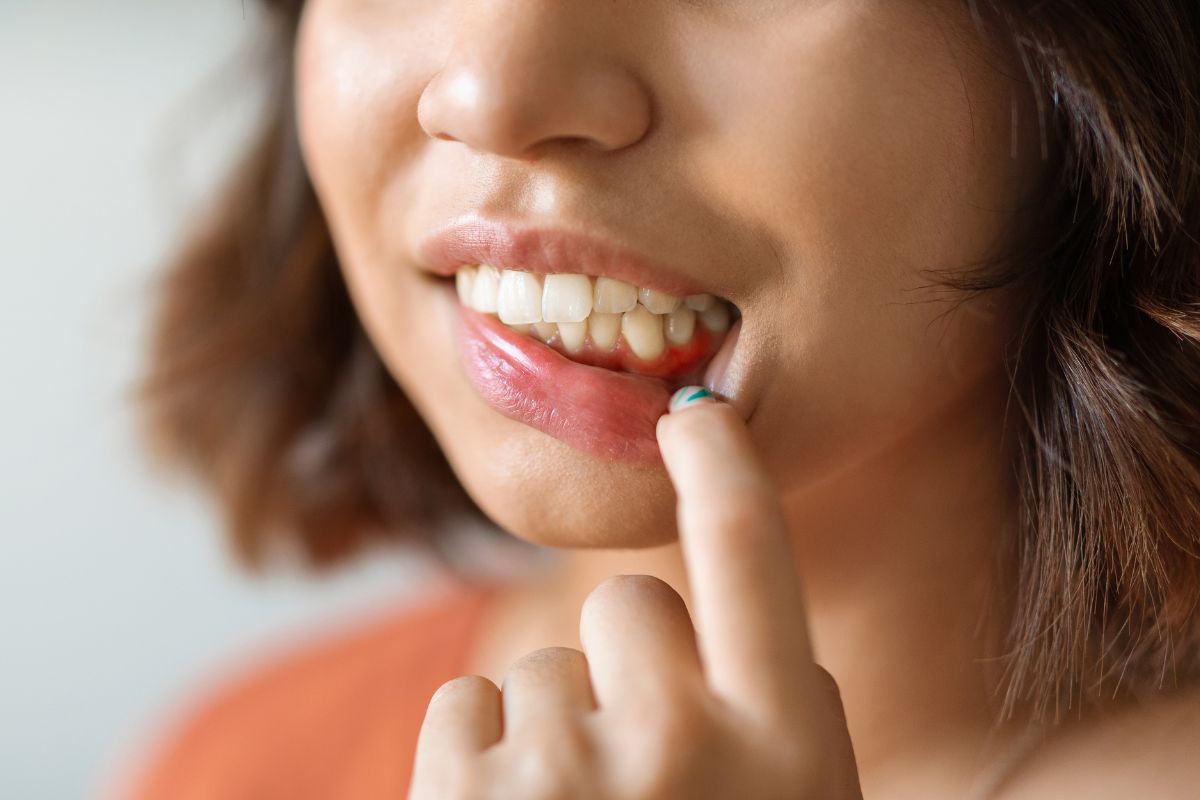
Periodontal therapy is a specialized treatment to manage gum disease, which affects the tissues surrounding your teeth. The two most common stages are:
- Scaling and Root Planing: This non-surgical procedure removes plaque and tartar buildup from below the gumline, preventing further gum damage.
- Surgical Procedures: If the gum disease is more advanced, surgery may be required to remove infected tissue and repair damaged gums.
The goal of periodontal therapy in Garner, NC, is to stop gum disease in its tracks, prevent tooth loss, and help you maintain long-term oral health.
Duration of Periodontal Therapy
The duration of periodontal therapy depends on how advanced the gum disease is. Here’s a breakdown:
- Scaling and Root Planing:
- This treatment is typically done in one or two appointments, each lasting between 45 minutes and an hour.
- In cases where multiple areas of the mouth need attention, it may take more than one visit.
- Surgical Periodontal Procedures:
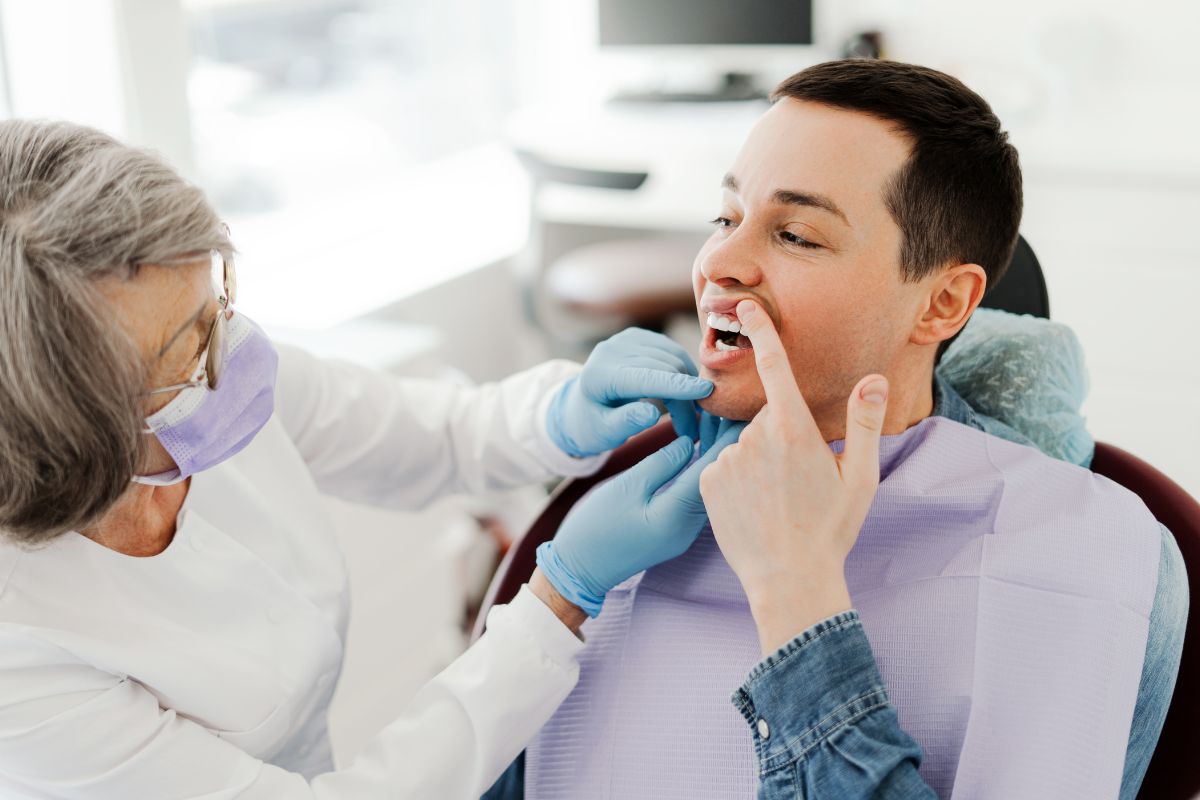
- For advanced cases, surgery may take longer. The procedure itself can last from one to three hours, depending on how many areas are being treated.
- You may need follow-up visits to monitor the healing process.
In general, non-surgical treatments tend to take less time, but the more severe the gum disease, the longer the recovery period may be.
What to Expect During Recovery
After your periodontal therapy, you’ll need some time to heal. Here’s what to expect:
- Immediately After Scaling and Root Planing:
- Mild Discomfort: It’s normal to experience some tenderness and swelling in your gums after the procedure.
- Bleeding: You may notice light bleeding when brushing your teeth, but this should stop within a few days.
- Dietary Changes: Stick to soft foods for a few days to avoid irritating the treated areas.
- After Surgical Procedures:
- Swelling and Bruising: These are common after surgery and may last for a few days. Ice packs can help reduce swelling.
- Pain Management: Your dentist may prescribe pain medication, which you should take as directed to manage discomfort.
- Post-Surgical Care: If stitches were used, they will dissolve on their own. Follow your dentist’s instructions to ensure your gums heal properly.
Key Tips for Recovery
Proper care is essential for a smooth recovery after periodontal therapy in Garner, NC. Here are some tips to help you heal quickly:
- Follow Your Dentist’s Instructions: Always stick to the aftercare guidelines provided by your dentist, including when to take medications and when to follow up.
- Practice Gentle Oral Hygiene: Brush your teeth with a soft-bristled toothbrush and avoid scrubbing the treated areas to prevent irritation.
- Use a Saltwater Rinse: This can help soothe swollen gums and promote healing.
- Avoid Smoking: Smoking slows the healing process, so try to avoid it, especially during recovery.
- Stay Hydrated and Eat Soft Foods: Drink plenty of water and stick to soft, non-irritating foods to support healing.
- Attend Follow-up Appointments: These visits are crucial to make sure your gums are healing as expected.
Why Timely Periodontal Therapy is Important
It’s important to seek treatment early if you notice signs of gum disease, such as bleeding gums, bad breath, or swollen gums. Left untreated, gum disease can lead to serious complications, including tooth loss. By addressing the issue early with periodontal therapy, you can prevent the disease from advancing and preserve your oral health for years to come.
A Fresh Start for Your Gums
Did you know that periodontal therapy can rejuvenate not just your gums, but your entire mouth’s health? It’s more than just cleaning up gum disease—it’s about creating a healthier foundation for your teeth to thrive. By restoring your gums, you’re setting the stage for better oral hygiene and reducing your risk of future issues. This treatment gives your mouth the fresh start it needs, ensuring that each smile you share is supported by strong, healthy gums. Taking care of your gums today can lead to a lifetime of benefits for your oral and overall health.
Take the Next Step Toward Healthier Gums
If you’re experiencing symptoms of gum disease or haven’t had a dental checkup in a while, now is the perfect time to schedule an appointment. Periodontal therapy in Garner, NC, is a straightforward and effective solution to help you maintain a healthy smile. Don’t wait for the symptoms to get worse—book your appointment at Garner Dental Solutions today.
Common Questions People Ask
How do I know if I need periodontal therapy?
If you notice bleeding gums, bad breath, or gum recession, it may be time to consult a dentist. These are common signs of gum disease, which can be treated with periodontal therapy.
Is periodontal therapy painful?
Most patients experience mild discomfort during and after the procedure. However, pain can be managed with prescribed medications, and any soreness typically fades within a few days.
How long does recovery take after periodontal therapy?
Recovery time can vary depending on the treatment. For non-surgical procedures, it usually takes a few days, while surgical treatments may take up to two weeks.
Can periodontal therapy reverse gum disease?
Yes, periodontal therapy can stop the progression of gum disease and restore gum health. However, severe cases may require additional treatments and regular maintenance.
What happens if I don’t get periodontal therapy?
Without treatment, gum disease can worsen and lead to tooth loss, gum recession, and other serious oral health issues. It’s best to address it as soon as possible.