


A severe toothache can disrupt your entire day, making it difficult to focus or even eat. If you’re dealing with this kind of pain, you’re not alone. Whether it’s a sharp, stabbing sensation or a dull throb, a toothache can be unbearable. Ignoring the pain may lead to more serious problems. That’s why it’s important to address it as soon as possible.
In this blog, we’ll provide you with practical steps and tips to manage the pain until you can see a professional. Keep reading to learn how to find relief and how to properly take care of your dental health.
Understanding Toothaches: What Causes Them?
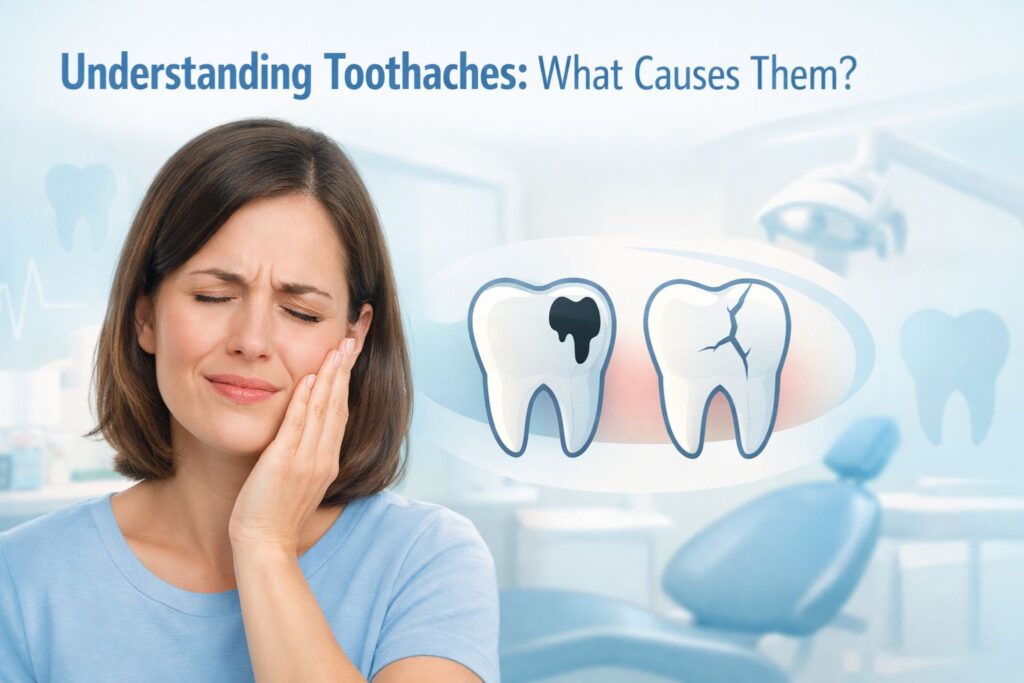
Toothaches can range from mild discomfort to severe, sharp pain, and the cause often determines the severity. Let’s explore the most common causes of severe tooth pain and how to recognize them.
Possible Causes
- Cavities: A cavity, or dental caries, forms when tooth enamel breaks down due to bacteria and sugar. If left untreated, cavities can penetrate deeper into the tooth, causing intense pain.
- Tooth Infection (Abscess): An infection inside the tooth or at the root can lead to severe pain. This is often accompanied by swelling, fever, and a foul taste in the mouth.
- Gum Disease (Gingivitis/Periodontitis): Poor oral hygiene can lead to gum disease, which causes gums to become inflamed and recede. As the gums pull away from the teeth, bacteria can cause pain and discomfort.
- Tooth Fractures: A cracked or broken tooth can expose nerves, leading to sharp pain, especially when chewing or drinking something hot or cold.
- Teeth Grinding (Bruxism): Grinding your teeth, especially during sleep, can cause significant pressure on the teeth, leading to pain in the tooth or jaw.
- Wisdom Teeth: Wisdom teeth often cause pain as they erupt, particularly when there isn’t enough room in the jaw.
Symptoms
Identifying whether your toothache is severe and requires emergency dental care in Garner is crucial. Key symptoms of a serious toothache include:
- Persistent or sharp pain that doesn’t subside
- Swelling or redness around the tooth or gums
- Fever or chills (indicating infection)
- Difficulty opening your mouth or chewing
- A bad taste or bad breath due to infection
If any of these symptoms occur, it’s important to seek professional dental care as soon as possible to prevent further complications.
Importance of Diagnosis
While home remedies may provide temporary relief, a proper diagnosis from a dentist is essential. Understanding the root cause of your toothache allows for targeted treatment that will resolve the issue and prevent it from recurring.
Immediate Home Remedies for Severe Toothache

While waiting for your dental appointment, there are several home remedies that may help alleviate the pain temporarily.
Cold Compress
Applying a cold compress to the affected side of your face can help numb the area and reduce inflammation. Simply wrap ice in a towel and hold it against your cheek for 15-20 minutes. This can significantly reduce the swelling and dull the pain.
Pain Relievers
Over-the-counter pain relievers like ibuprofen (Advil) or acetaminophen (Tylenol) can help manage the pain until you see a dentist. Be sure to follow the recommended dosage on the label. These medications not only relieve pain but can also reduce inflammation and swelling around the tooth.
Saltwater Rinse
A warm saltwater rinse can help reduce swelling and clean the affected area. Saltwater helps disinfect the area, removes food particles, and may reduce bacteria in the mouth. To prepare, dissolve half a teaspoon of salt in a glass of warm water, swish it around your mouth for 30 seconds, and spit it out.
Clove Oil or Peppermint Tea Bags
Clove oil contains eugenol, a natural anesthetic, and can numb the pain when applied to the affected area. Dab a cotton ball in clove oil and apply it directly to the tooth. Alternatively, placing a cooled peppermint tea bag on the affected area may also provide a soothing effect. Both are natural ways to alleviate the discomfort.
While these home remedies can provide short-term relief, they should not replace professional dental care. The cause of the toothache must be addressed to prevent further damage.
When to Seek Immediate Dental Care
Although home remedies can help alleviate symptoms temporarily, there are specific warning signs that indicate the need for emergency dental care in Garner.
Warning Signs
- Prolonged Pain: If your toothache lasts for more than a few days or worsens, it could be a sign of a deeper issue, like an infection or abscess.
- Swelling or Redness: Swelling in your gums or around your face, especially with fever, indicates that an infection may be present.
- Pus Discharge: If pus or a foul-smelling discharge is present, it’s a strong sign of infection, and you should seek immediate care.
- Difficulty Breathing or Swallowing: If you experience difficulty breathing, swallowing, or opening your mouth, this could indicate a more serious infection that requires urgent treatment.
Urgency of Professional Care
Even though home remedies can help reduce the intensity of the pain, only a dentist can treat the underlying cause of the toothache. Delaying treatment can lead to further complications, including tooth loss, abscess formation, or the spread of infection to other parts of your body. Seeking professional care from Garner Dental Solutions ensures you get the right treatment in time.
Possible Treatments
The treatment for a toothache depends on its cause. Common treatments include:
- Root Canal Therapy: If the pain is caused by an infection in the pulp, a root canal may be needed to save the tooth.
- Fillings: If the toothache is due to a cavity, a dental filling will restore the tooth and prevent further decay.
- Tooth Extraction: In severe cases, especially when a tooth is fractured beyond repair, extraction may be necessary.
- Antibiotics: If an infection is present, your dentist may prescribe antibiotics to clear the infection before proceeding with other treatments.
Preventing Toothaches in the Future

Preventing toothaches starts with maintaining good oral hygiene practices and visiting your dentist regularly for checkups. Here are some steps to help protect your teeth and gums:
Oral Hygiene Practices
Brushing your teeth twice daily with fluoride toothpaste and flossing regularly are the most effective ways to prevent tooth decay and gum disease. Don’t forget to replace your toothbrush every 3-4 months and consider using an electric toothbrush for more thorough cleaning.
Regular Checkups
Regular visits to your dentist at Garner Dental Solutions for professional cleanings and exams are key to preventing toothaches. Your dentist will spot any early signs of cavities, gum disease, or other potential problems before they develop into something more serious.
Diet and Lifestyle
A tooth-friendly diet includes plenty of fruits, vegetables, and whole grains. Avoid sugary snacks and drinks, as they can lead to cavities. Additionally, if you grind your teeth, consider using a mouthguard, especially at night, to protect your teeth from excessive pressure.
Toothaches can be a distressing experience, but by following the right steps, you can manage the pain and seek appropriate treatment. Whether it’s through home remedies or professional care, addressing the issue promptly is crucial for long-term dental health.
If you’re experiencing a severe toothache, don’t wait. Contact Garner Dental Solutions today for emergency dental care and get the relief you need. We’re here to help restore your smile and bring you comfort.
What People Want to Know?
When should I see a dentist for a toothache?
See a dentist if the pain persists, if you have swelling, fever, or pus, or if the pain makes it difficult to eat or talk. Immediate care may be needed.
Is it safe to apply ice directly to the tooth?
It’s not recommended to apply ice directly to the tooth. Instead, use a cold compress on the outside of your cheek to avoid further irritation.
Can a tooth infection cause a fever?
Yes, a tooth infection can cause a fever, along with swelling and pain. If you experience these symptoms, it’s important to see a dentist immediately.
Are there any natural remedies for toothache relief?
Clove oil and peppermint tea bags are natural remedies that may temporarily numb the pain, but they should not replace professional dental care.
Can tooth pain indicate a more serious health issue?
Yes, in some cases, tooth pain can signal a serious health issue like an abscess or gum disease, which requires prompt attention from a dentist.