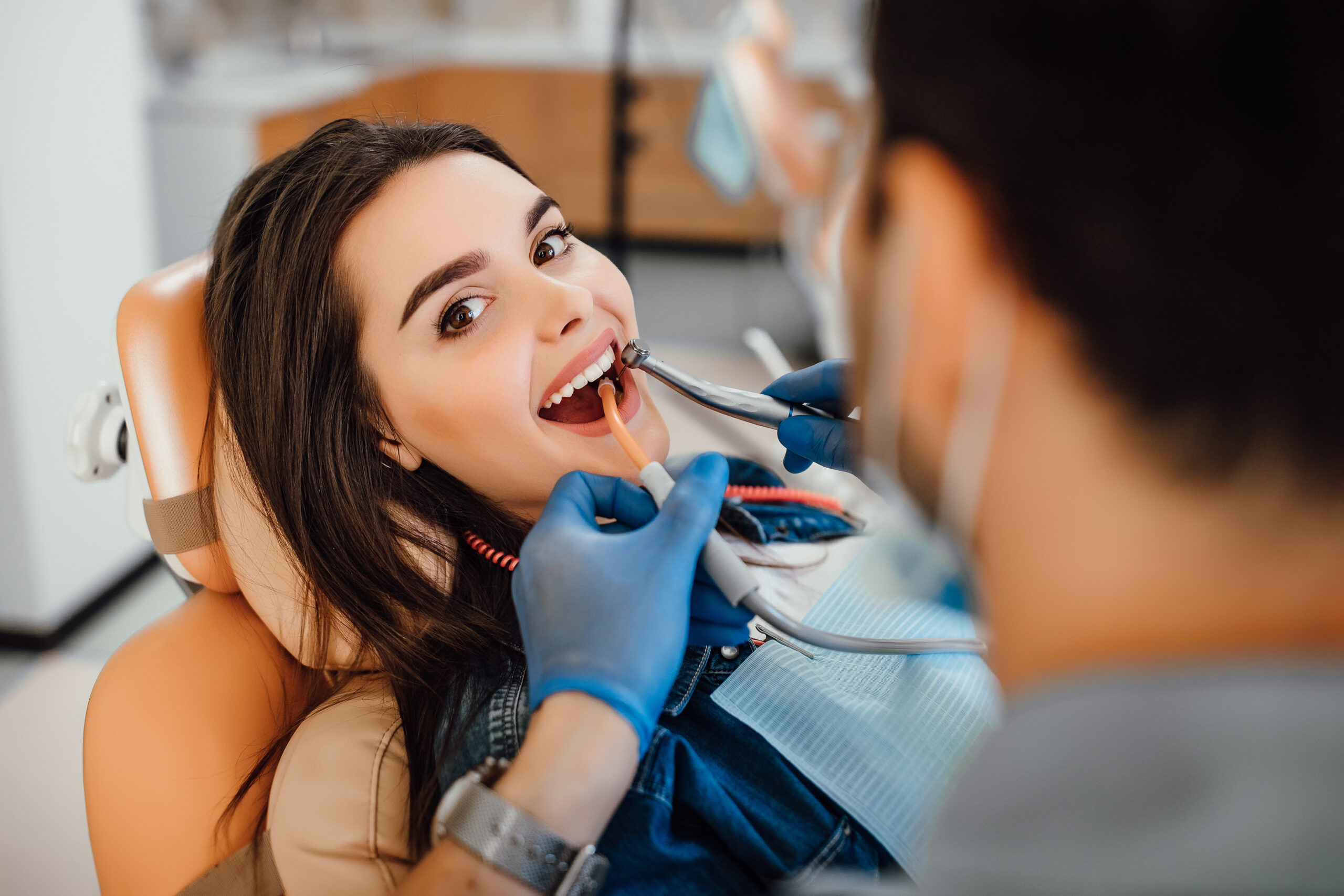
Dental bonding can be an ideal option for individuals looking to improve the appearance of their teeth. Whether you’re covering a chipped tooth, filling gaps, or correcting discoloration, dental bonding can help you achieve a natural-looking smile. However, after the procedure, it’s essential to be mindful of the foods and drinks you consume to ensure the longevity of your dental bonding. In this blog, we’ll discuss the types of food you should avoid after getting dental bonding, so that you can enjoy your new smile with confidence.
Understanding Dental Bonding
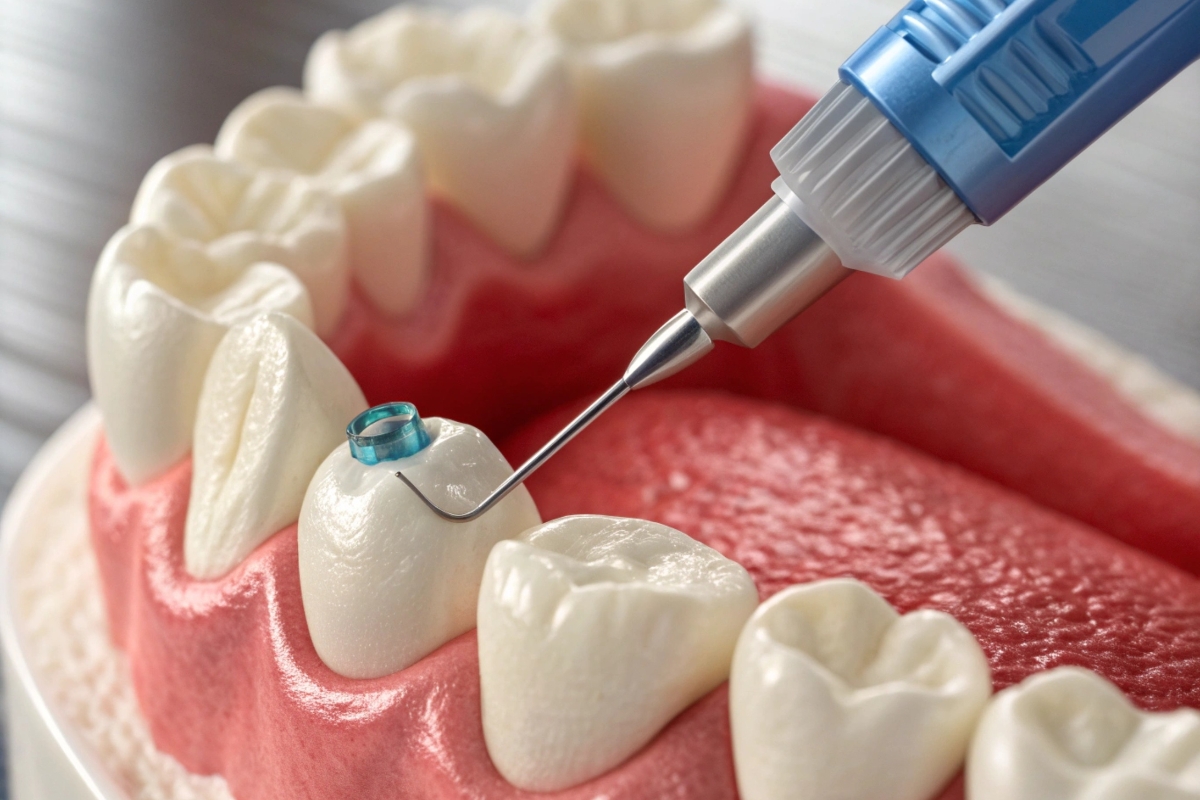
Dental bonding involves applying a tooth-colored resin to your teeth, which is then hardened with a special light. While the bonding process is durable, it’s important to note that the material may be more susceptible to damage from certain foods, especially during the first 24 to 48 hours after the procedure. To maximize the results of your bonding and avoid unnecessary wear and tear, you should be cautious about what you eat.
Foods You Should Avoid After Dental Bonding
1. Hard and Crunchy Foods
After dental bonding in Garner, NC, it’s essential to avoid foods that could put unnecessary pressure on your newly bonded teeth. Hard foods like nuts, hard candy, and ice can crack or chip the bonding material. If you’re a fan of crunchy snacks, it’s best to opt for softer alternatives while your bonding settles.
- Ice cubes
- Hard nuts and seeds
- Hard candy
- Popcorn (especially the kernels)
2. Sticky Foods
Sticky foods are notorious for sticking to your teeth, and this can be even more problematic after dental bonding. These foods can tug at the bonding material, leading to chips or cracks. Sticky substances, like caramel and taffy, can be hard to remove from your teeth and may damage the bonding over time.
- Caramel
- Taffy
- Chewy candies
- Gummy candies
3. Highly Pigmented Foods and Beverages
One of the benefits of dental bonding is its ability to improve the appearance of your teeth. However, consuming pigmented foods or drinks can stain your bonding, especially within the first few days after the procedure. For the first 48 hours, it’s a good idea to avoid food and drinks that can stain.
- Coffee
- Tea
- Red wine
- Tomato-based sauces
- Berries (e.g., blueberries, blackberries)
4. Acidic Foods
Acidic foods and drinks can erode the surface of your bonding material, leading to rough patches or wear. While it’s okay to enjoy acidic foods in moderation after the healing period, it’s best to avoid them immediately following the procedure.
- Citrus fruits (e.g., oranges, lemons)
- Vinegar-based dressings
- Sour candies
5. Foods That Are Too Hot or Too Cold
Extreme temperatures can cause discomfort, especially in the first few days after your dental bonding. The bonding material might not yet be fully set, making your teeth more sensitive to hot and cold foods. It’s advisable to avoid very hot or icy foods during the recovery period.
- Ice cream
- Hot coffee
- Cold drinks
- Spicy foods (can cause sensitivity)
How to Care for Your Bonded Teeth
Proper care is essential to ensure your dental bonding in Garner, NC lasts for many years and remains natural-looking. While avoiding certain foods is a big part of maintaining your dental work, there are other daily habits you should adopt to protect your bonding and ensure your smile stays beautiful.
- Avoid Smoking or Tobacco Use: Smoking can stain both your natural teeth and dental bonding. Even though the bonding material is stain-resistant, prolonged exposure to tobacco can cause yellowing over time, affecting the aesthetic results.
- Drink Plenty of Water: Staying hydrated helps maintain your oral health and can help prevent plaque buildup on the bonding material. Water also helps rinse away any food particles or bacteria that may accumulate, keeping your teeth clean.
- Consider a Mouthguard: If you play sports or tend to grind your teeth while sleeping, wearing a mouthguard can protect your dental bonding from unnecessary pressure or impact. This will prevent any accidental chips or cracks, ensuring your bonding stays intact.
By incorporating these simple habits into your daily routine, you’ll keep your bonded teeth in excellent condition and preserve your beautiful smile for years to come.
Conclusion: Protect Your Smile with Dental Bonding
Your smile reflects your overall health and confidence. After undergoing dental bonding in Garner, NC, it’s essential to take the necessary steps to protect and maintain your results. By avoiding certain foods and drinks, you can ensure that your bonding remains in excellent condition for years to come.
If you have recently had dental bonding or are considering it, the team at Garner Dental Solutions is here to help you every step of the way. Our experts are committed to providing the highest-quality care and ensuring you have the best possible experience.
Schedule a consultation today to learn more about how dental bonding can improve your smile!
FAQs
How long should I avoid certain foods after dental bonding?
It’s best to avoid hard, sticky, or staining foods for at least 48 hours after your procedure to allow the bonding material to set fully.
Can I drink coffee after dental bonding?
While it’s recommended to avoid coffee within the first 48 hours, you can enjoy it afterward, but be mindful of staining over time.
How long will dental bonding last?
With proper care and regular dental visits, dental bonding can last anywhere from 5 to 10 years.
Can I eat chewy foods like gum after dental bonding?
It’s best to avoid chewing gum or other chewy foods right after the procedure, as this can damage the bonding.
Are there any alternatives to dental bonding?
Yes, alternatives such as veneers or crowns may be better suited for some patients depending on their dental needs.
Will dental bonding affect my speech?
Dental bonding typically does not affect your speech, but if you experience discomfort or changes in your bite, it’s essential to contact your dental expert.
Can I whiten my teeth if I have dental bonding?
Teeth whitening treatments do not work on bonded material, so it’s recommended to get your teeth whitened before undergoing bonding.