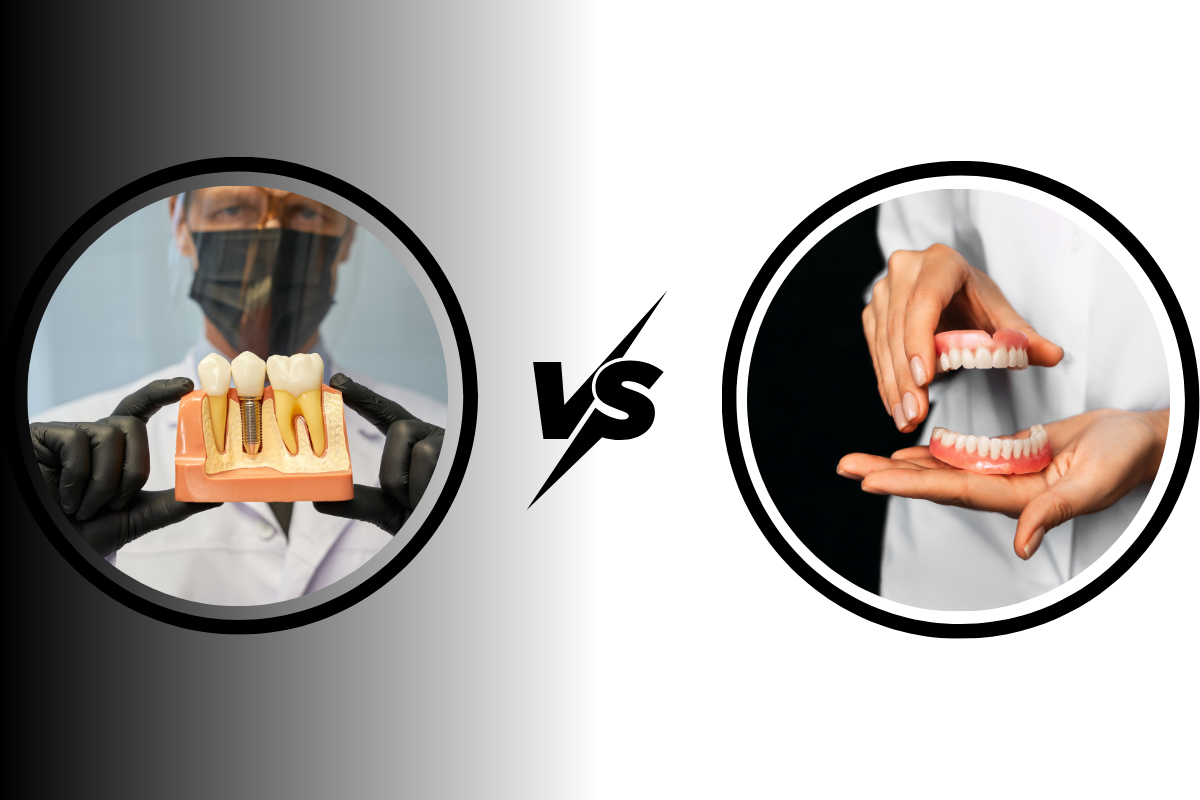
If you are missing one or more teeth, you might be wondering about ways to restore your smile. In Garner & surrounding areas, many individuals are weighing the pros and cons of dental implants and dentures. There are several of these restoration methods that can be beneficial; however, your personal preferences, health & lifestyle will determine which option is best for you. This blog will highlight some of the key considerations between the two restoration methods (dental implants and dentures).
Finding the right solution to your tooth loss can certainly be confusing! At Garner Dental Solutions, we recognize that all patients have different needs and therefore offer a personalized restorative dentistry program. We can assist you through the entire process of selecting a more permanent solution as dental implants, or a less costly one, such as dentures. We will explain both options to you and explain what makes them suitable for particular circumstances.
Understanding Dental Implants
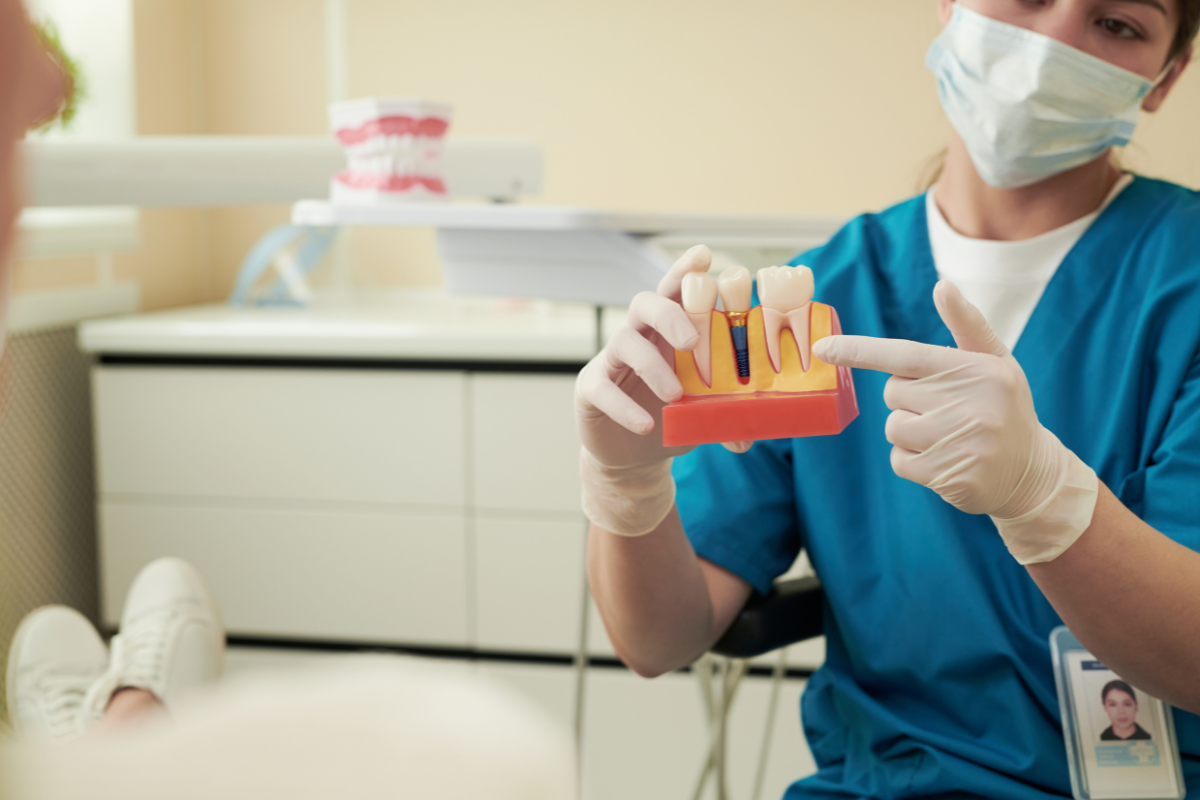
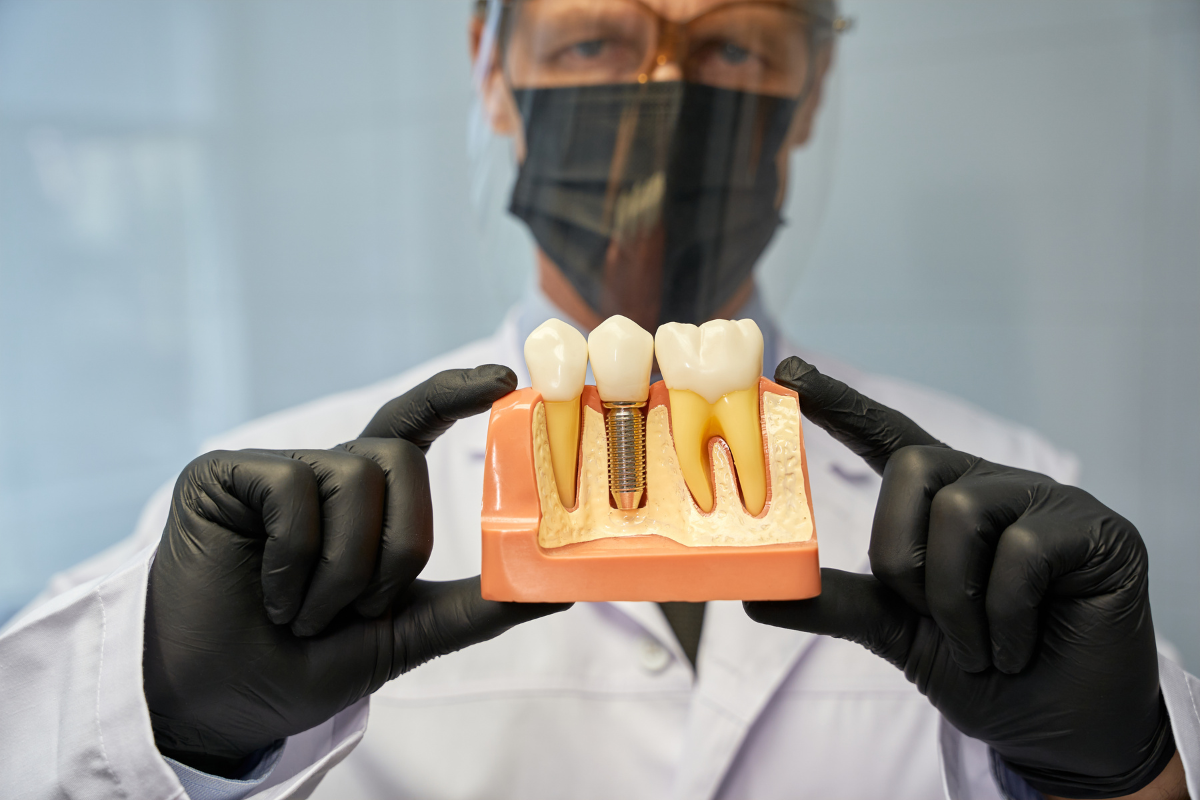
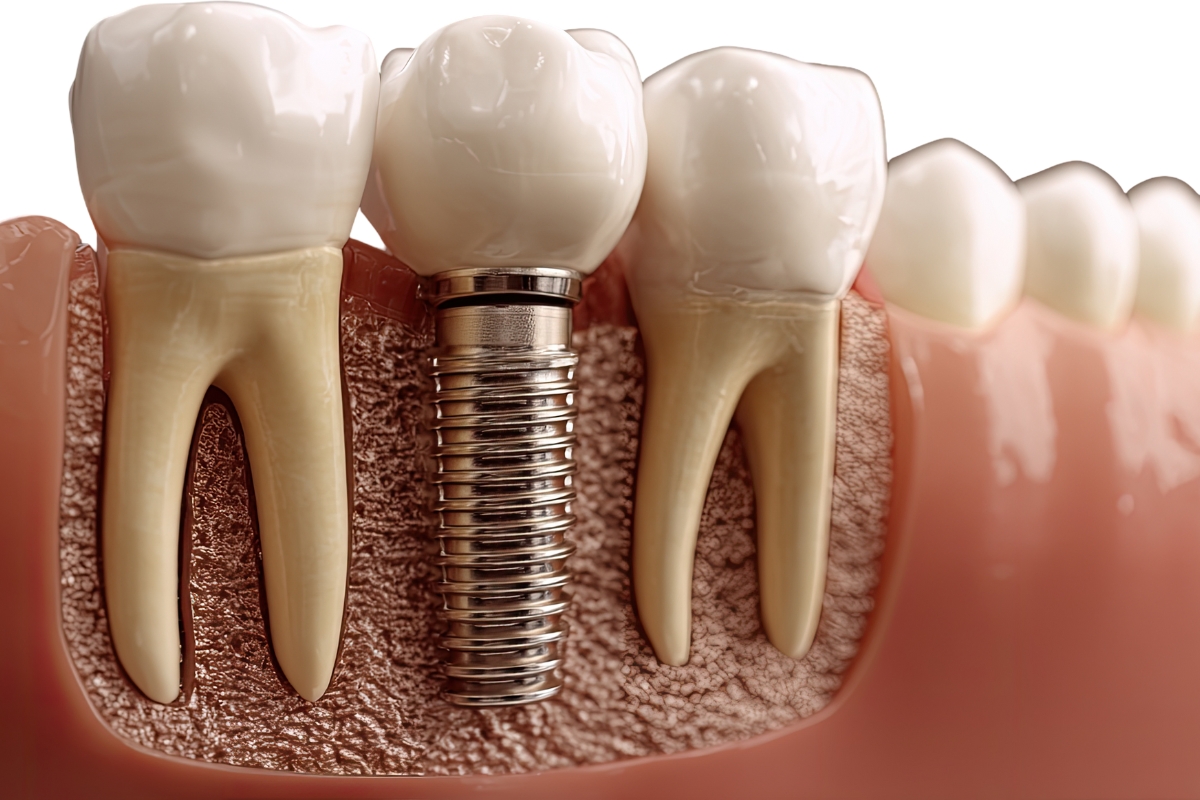
Dentally, implants are often considered the gold standard for tooth replacement. An implant is a small titanium post surgically placed in the jawbone that serves as an artificial tooth root. Gradually, the bone begins to bond with the implant, providing a solid foundation for a crown or bridge.
Why Choose Dental Implants?
- Long-term results: The main advantage is durability. If well cared for, implants can last a lifetime, making them a very good investment for a permanent solution.
- Comfort and Stability: Implants provide improved comfort and stability because they fuse with the bone, working like natural teeth. They do not shift or slip around in your mouth like dentures, so you can consume any food, speak freely, and have confidence.
- Natural Appearance: Implants will blend with your teeth, making the appearance look as natural as any other alternative.
However, dental implants vs. dentures can differ significantly in the procedures involved. Dental implants require surgery, and the healing process can take several months. Additionally, implants tend to have a higher initial cost, though they are typically more cost-effective over the long term due to their longevity.
Exploring Dentures
Dentures are prosthetic devices that are fabricated to replace missing teeth. They basically come in two flavors: full dentures, which replace all the teeth in one arch, and partial dentures, which replace some of the natural teeth.
Why Go with Dentures?
- Accessibility: Generally, dentures are readily accessible to people of all ages; thus, they can be a good alternative for everyone.
- Quick Solution: Unlike implants, dentures don’t require surgery and can be fabricated and fitted relatively quickly.
- Non-invasive: Since they are removable, dentures do not require any surgical procedures; hence, they attract individuals who are not good candidates for surgery.
But here’s the thing to note: many find dentures uncomfortable at first, and over time, adjustments or relines may be necessary as your mouth changes shape. They can also slip or shift at any time, especially during meals or conversations, which is awkward and an inconvenience.
Comparing the Pros and Cons of Dental Implants and Dentures
Before deciding whether you want dental implants vs. dentures, it is essential to look at a few aspects closely.
- Costs: Dental implants will cost more than dentures, both for the procedure and for any necessary restorations or additions after. But dental implants may have a lower long-term overall cost due to the decreased maintenance and replacement needs they tend to require.
- Maintenance: Dentures require ongoing oral care, including cleaning and adjustments. In contrast, while implants still require routine visits to a dental expert to ensure they are working correctly, they do not require as much daily maintenance as a denture.
- Comfort: In most cases, dental implants are a much more comfortable option because they fuse into your jawbone and become permanent parts of your body. Dentures may be uncomfortable to get used to for many people, and they can cause discomfort if they are not properly fitted for your jaw and teeth.
- Aesthetics: Dental implants generally provide a more natural appearance and function closer to that of real teeth.
What is the Best Choice for Me?
Ultimately, the decision of whether to use dental implants vs. dentures depends upon individual factors such as your preference, physical condition, and budget. If you prefer a solution that lasts longer and you are willing to pay for a surgical procedure, then dental implants may be your best option. On the other hand, if you prefer to save money and want a non-invasive option, dentures will likely better meet your needs.
Schedule Your Appointment with Garner Dental Solutions
At Garner Dental Solutions, we know how confusing it can be to choose the best tooth replacement options for you. Our experienced team will work closely with you throughout your decision-making process by answering all your questions and helping you determine the best course of action for your oral health.
Make an appointment today to learn more about dental implants and dentures and find out which option is right for you!
FAQs
How Long Will Dental Implants Last Compared to Dentures?
With proper maintenance, dental implants can last a lifetime. In contrast, dentures usually need to be replaced every 5-10 years.
Will I be Able to Eat Normally with Dentures?
Some users may feel comfortable eating with dentures; however, they may also experience difficulty with certain foods due to dentures slipping or shifting during use.
What To Expect From Dental Implants?
Generally, dental implant treatment is performed under local anesthesia, and most patients experience only mild discomfort afterward, which can likely be managed with OTC medications.
Is It Safe To Wear Dentures With Periodontal Disease?
Individuals with periodontal disease may have difficulty wearing their dentures comfortably. Therefore, it is recommended that you have your periodontal disease treated prior to trying to get dentures.
How Do You Properly Care For Your Dental Implants?
Caring for your dental implants involves brushing, flossing, and regular dental check-ups to ensure they remain in good working order and in place.
If My Dentures Do Not Fit Properly, Will They Be Fixed Or Relined?
Your oral expert can provide you with a comfortable-fitting set of dentures by adjusting or relining your dentures.