Are you really a candidate for dental implants in Garner? It’s one of the most common questions Dr. Michelle Cothran hears at Garner Dental Solutions. Many patients assume they don’t qualify — based on age, health history, or something they read online. The truth is, more people qualify than they think. This article breaks down the real factors that determine implant candidacy, so you can walk into your consultation informed and confident.
What Makes Someone a Good Candidate for Dental Implants in Garner?
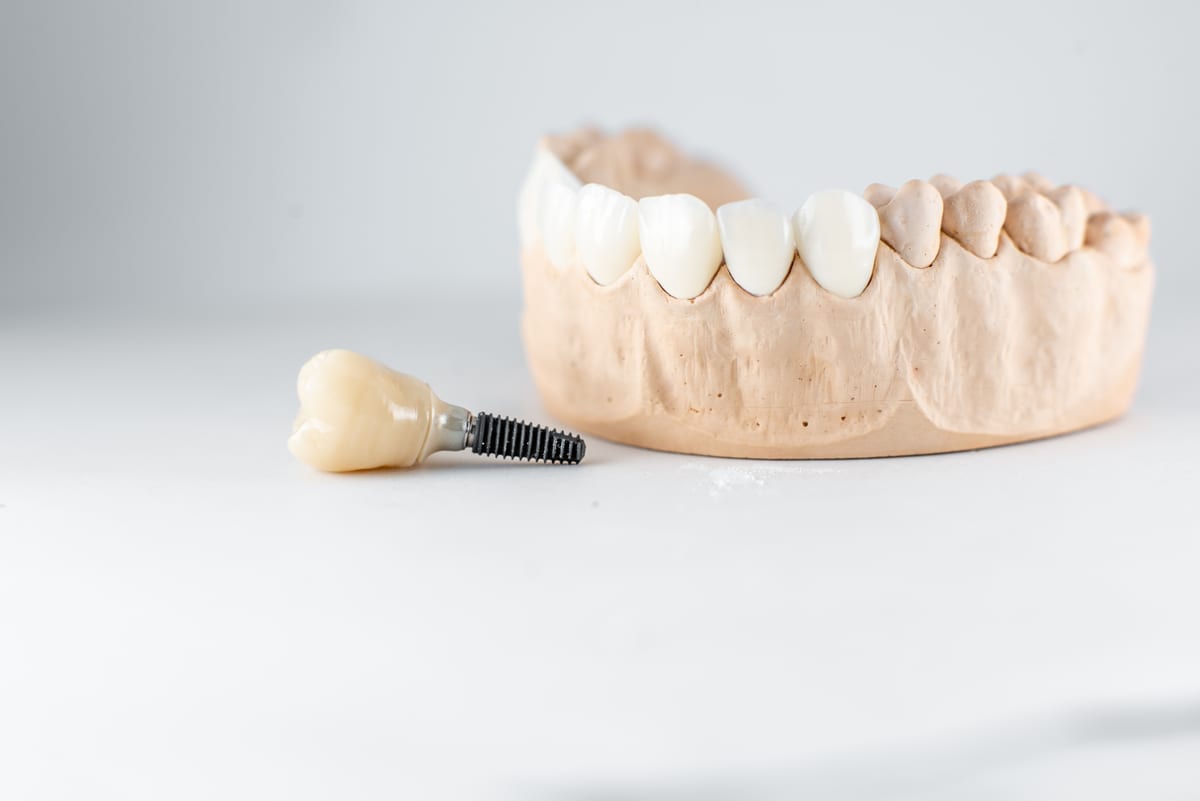
Dental implants replace missing teeth by anchoring a titanium post into the jawbone. That post fuses with the bone over time. For this process to work, your body needs to support it effectively.
Most healthy adults with missing teeth are potential candidates. Your dentist will evaluate several key factors before recommending implants. No two patients are exactly alike, which is why a personalized consultation matters so much.
Here are the core factors Dr. Cothran reviews when assessing candidacy:
- Overall oral health and gum condition
- Jawbone density and volume
- General medical health and healing ability
- Lifestyle habits, including tobacco use
- Age and jaw development status
Does Age Affect Your Candidacy for Dental Implants?
Age is often misunderstood when it comes to dental implants. There is no upper age limit for the procedure. Adults in their 70s and 80s successfully receive implants every year.
However, there is a lower age consideration. Young patients whose jaws are still developing are not ideal candidates. The jawbone needs to be fully grown before implant placement. This typically happens in the late teens to early twenties.
For older adults, age alone is rarely a disqualifying factor. What matters more is overall health and bone condition. Dr. Cothran evaluates each patient as an individual, not just a number on a chart.
How Bone Density Impacts Dental Implant Eligibility
Bone density is one of the most critical factors in implant candidacy. The implant post must fuse securely with your jawbone. If the bone is too thin or too weak, that fusion may not happen properly.
Bone loss often occurs naturally after a tooth is removed. The longer a tooth has been missing, the more bone may have resorbed. This is why acting sooner is generally better when considering implants.
The good news is that insufficient bone doesn’t automatically disqualify you. Bone grafting procedures can rebuild lost bone volume. After successful grafting and healing, many patients become strong implant candidates.
Dr. Cothran uses advanced imaging to assess your bone structure precisely. This helps create a clear picture of what’s possible for your smile. You’ll never be left guessing about your options.
Health Conditions and Smoking: Honest Answers for Garner Patients
Certain health conditions can affect how well your body heals after implant surgery. Uncontrolled diabetes is one example. Patients with well-managed diabetes, however, often do qualify for implants.
Other conditions that may require extra evaluation include:
- Autoimmune disorders that affect healing
- Osteoporosis, especially if treated with certain medications
- History of radiation therapy to the jaw area
- Bleeding disorders or blood-thinning medications
- Chronic dry mouth conditions
None of these conditions are automatic disqualifiers. Many patients with complex health histories successfully receive implants. The key is honest communication with your dental provider before treatment begins.
Smoking is a significant factor that patients deserve honest information about. Tobacco use slows healing and increases the risk of implant failure. Smokers can still receive implants, but success rates are lower compared to non-smokers.
Dr. Cothran will discuss your habits openly and without judgment. If quitting or reducing tobacco use before surgery is possible, it meaningfully improves outcomes. This is about giving your implant the best possible chance of lasting a lifetime.
What If You’re Not Ready Yet? Your Other Options in Garner
Not every patient is ready for implants right away. That’s completely okay. There are steps you can take to become a better candidate over time.
Bone grafting, as mentioned earlier, is one option. Treating active gum disease is often a necessary first step. Improving blood sugar control can also move the needle for diabetic patients.
In urgent situations where a tooth needs immediate attention, Emergency Dentistry Garner services at Garner Dental Solutions can help stabilize your situation before implant planning begins. Addressing acute dental problems first protects your long-term implant success.
Some patients opt for interim solutions like dentures or bridges while preparing for implants. Others explore all cosmetic and restorative routes before deciding. Cosmetic Dentistry Garner options may also complement or work alongside implant treatment for a complete smile transformation.
The right path is the one that matches your health, your timeline, and your goals. Dr. Cothran’s team helps you map that path clearly at every step.
What to Expect at Your Implant Consultation in Garner
Your consultation is a conversation, not a commitment. Dr. Cothran takes time to understand your full dental and medical history. She reviews X-rays or 3D scans to assess bone structure and gum health.
You’ll leave the consultation with a clear understanding of your candidacy status. If implants are right for you, you’ll receive a personalized treatment plan. If preparation is needed first, you’ll know exactly what steps to take.
The process is straightforward and designed to reduce anxiety. Garner Dental Solutions believes every patient deserves honest, compassionate guidance. There is no pressure — only information and support.
Conclusion: Your Implant Journey Starts With One Honest Conversation
Wondering whether you’re a real candidate for dental implants in Garner is the right question to ask. The answer depends on factors unique to your health and situation. Age, bone density, medical history, and lifestyle all play a role — but rarely is any one factor an absolute barrier.
Dr. Michelle Cothran and the team at Garner Dental Solutions are here to give you an honest, thorough evaluation. You deserve answers that are clear, compassionate, and built around your specific needs. Book Now to schedule your appointment with our team.
Frequently Asked Questions
Can I get dental implants if I have gum disease?
Active gum disease must be treated before implants are placed. Untreated gum disease compromises the bone and tissue that support the implant. Once your gums are healthy, implants become a viable option for many patients.
How long does the dental implant process take in Garner?
The full process typically takes several months from start to finish. This includes healing time after the implant post is placed and before the crown is attached. If bone grafting is needed, it can add additional healing time to the timeline.
Are dental implants painful to get?
Most patients report that the procedure itself is much more comfortable than they expected. Local anesthesia is used during placement to minimize discomfort. Some soreness after surgery is normal, but it is usually manageable with over-the-counter pain relief.
What happens if I’ve had a tooth missing for many years?
Long-term tooth loss often leads to bone resorption in the jaw. This can reduce the available bone needed for implant placement. However, bone grafting can often restore enough bone to make implants possible even after years of tooth loss.
Is there an age limit for dental implants?
There is no maximum age limit for dental implants. Older adults receive implants successfully all the time. The main age-related concern is ensuring that younger patients have finished jaw development, which typically occurs by the late teens or early twenties.