

Understanding why your teeth change after 60 is one of the most important steps in protecting your smile. This guide to senior dental health in Garner covers the most common age-related dental shifts — and what you can do about them. At Garner Dental Solutions, Dr. Michelle Cothran helps patients over 60 navigate these changes with confidence. You deserve a healthy, comfortable smile at every stage of life.
How Aging Affects Your Teeth and Gums
As you age, your body goes through changes — and your mouth is no exception. Enamel naturally wears down over decades of chewing. This makes teeth more vulnerable to sensitivity, cracks, and decay. Gum tissue also gradually recedes, exposing root surfaces that were never meant to face the outside world.
Root surfaces lack the hard enamel coating that covers the crown of your tooth. This makes them far more susceptible to decay. Many seniors develop what dentists call root caries — cavities that form along exposed root surfaces. These cavities can progress quickly if left untreated, so early detection matters.
Gum recession can also affect the appearance of your smile. Teeth may look longer than they used to. In some cases, gum disease accelerates this recession, making professional monitoring even more essential after age 60.
Dry Mouth From Medications: A Hidden Risk for Seniors in Garner
Many adults over 60 take daily medications for blood pressure, anxiety, allergies, or other conditions. A very common side effect of these medications is dry mouth. Saliva plays a critical role in protecting your teeth — it neutralizes acids and washes away harmful bacteria.
Without enough saliva, decay-causing bacteria thrive. Patients with dry mouth often develop cavities much faster than those with normal saliva flow. This is not a sign of poor hygiene — it is a medically-driven change that requires a specific response.
Dr. Cothran recommends that seniors with dry mouth consider these proactive steps:
- Sip water frequently throughout the day
- Use alcohol-free mouth rinse designed for dry mouth
- Ask about prescription-strength fluoride treatments
- Chew sugar-free gum to stimulate saliva production
- Schedule more frequent dental cleanings
Letting Dr. Cothran know about all your current medications helps her tailor a prevention plan specifically for your needs. Never feel embarrassed about a long medication list — it is valuable clinical information.
Tooth Loss, Dentures, and Implants After 60
Tooth loss becomes more common with age, but it is never inevitable. Many seniors lose teeth due to advanced gum disease, untreated decay, or a combination of both. When teeth are lost, the jawbone beneath them begins to shrink — a process called resorption. Acting quickly after tooth loss helps preserve bone volume.
For patients missing multiple teeth, dentures remain a reliable and time-tested option. Modern dentures are far more comfortable and natural-looking than older versions. Garner Dental Solutions offers full and partial denture solutions designed to restore function and confidence. A well-fitted denture lets you eat, speak, and smile without embarrassment.
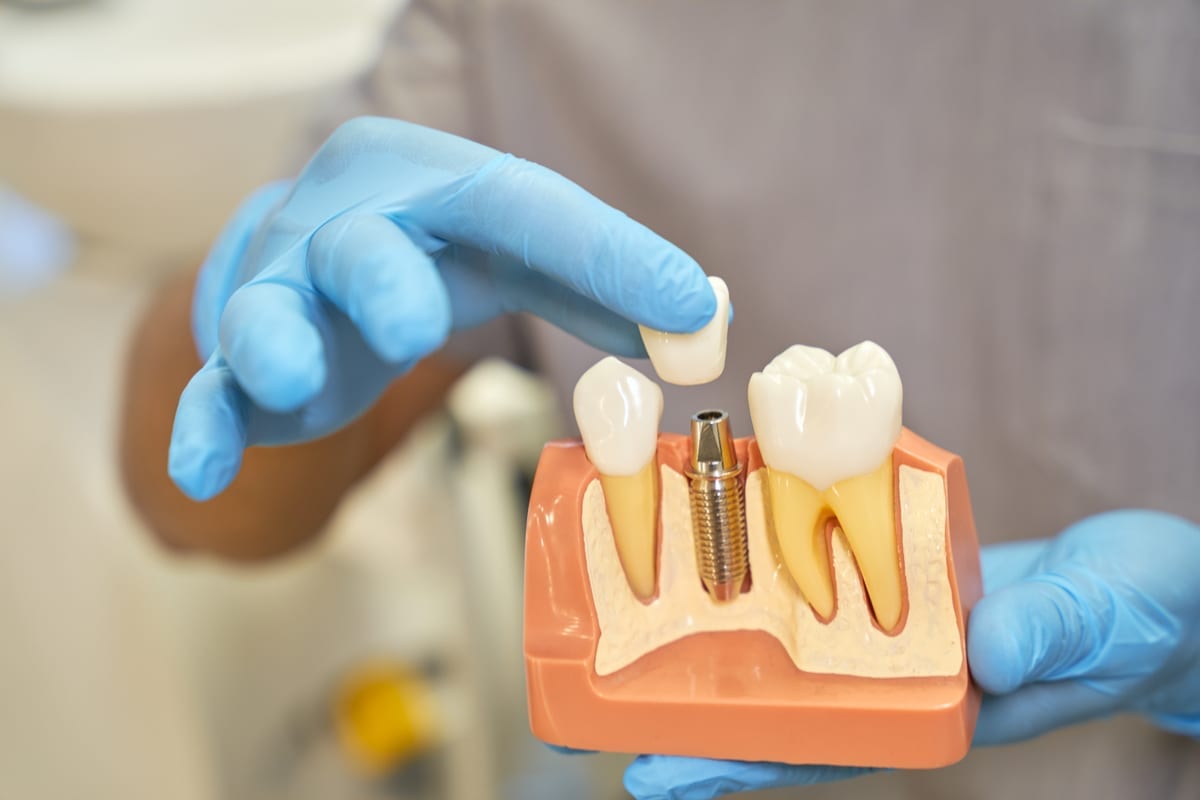
Dental implants offer another path forward for qualifying patients. Implants are titanium posts placed into the jawbone that act as artificial tooth roots. They provide unmatched stability and help preserve the bone that dentures alone cannot protect. Many adults over 60 are excellent implant candidates — age alone is not a disqualifying factor.
If you are weighing your options, consider these key differences between dentures and implants:
- Dentures: Removable, more affordable upfront, no surgery required
- Implants: Fixed in place, preserve jawbone, feel and function like natural teeth
- Implant-supported dentures: Combine both — removable convenience with implant stability
Dr. Cothran will evaluate your bone density, health history, and goals to recommend the right solution for your situation.
Cosmetic and Emergency Dental Care for Older Adults
Looking and feeling good is not vanity — it is connected to confidence and quality of life. Cosmetic Dentistry options like teeth whitening and dental veneers can dramatically refresh an aging smile. Many seniors are surprised by how accessible these treatments have become. A brighter smile can make social interactions feel more enjoyable and natural.
Dental emergencies also tend to become more frequent as we age. A cracked tooth, lost filling, or sudden pain needs prompt attention. Delaying treatment often makes the situation worse and more expensive to resolve. Emergency Dentistry at Garner Dental Solutions ensures that seniors in Garner, NC have a trusted place to turn when unexpected dental problems arise.
It is also worth noting that oral health is deeply connected to overall health in older adults. Poor oral health has been linked to heart disease, diabetes complications, and respiratory issues. Staying current with dental visits protects more than just your teeth — it supports your whole-body wellness.
What to Expect at a Senior Dental Visit With Dr. Cothran
A dental visit after 60 may look slightly different than it did in your younger years. Dr. Cothran focuses on a comprehensive picture of your oral health. She reviews your medications, checks for signs of dry mouth, and screens for oral cancer — which becomes more common with age. Every visit includes a thorough examination of gums, roots, and any existing restorations.
Preventive care remains the cornerstone of senior dental health. Regular cleanings remove tartar buildup that brushing alone cannot address. Fluoride treatments strengthen vulnerable root surfaces. X-rays help detect hidden problems before they become painful emergencies.
Here is what a typical senior-focused dental visit at Garner Dental Solutions may include:
- Full oral health review including medication list
- Gum recession and root exposure assessment
- Oral cancer screening
- Professional cleaning tailored to your gum condition
- Discussion of restorative or cosmetic options if needed
The goal is always to keep your natural teeth as long as possible. When that is no longer realistic, the goal shifts to restoring function and aesthetics with the most appropriate solution.
Conclusion: Protecting Your Smile After 60 in Garner, NC
Age brings wisdom — and it also brings dental changes worth taking seriously. From dry mouth and gum recession to tooth loss and root decay, the challenges are real. But they are also manageable with the right dental partner by your side. Dr. Michelle Cothran and the team at Garner Dental Solutions are here to help seniors in Garner, NC thrive through every decade. Book Now to schedule your appointment with our team.
Frequently Asked Questions
Why do teeth become more sensitive as we get older?
Enamel wears down over time, and gum recession exposes root surfaces that lack enamel protection. This combination makes teeth more reactive to hot, cold, and sweet stimuli. Dr. Cothran can recommend treatments like desensitizing toothpaste or in-office fluoride applications to manage sensitivity effectively.
Can dry mouth really cause tooth decay?
Yes — dry mouth significantly increases your risk of cavities. Saliva naturally neutralizes acids and clears bacteria from your mouth. When saliva production decreases due to medications or other factors, bacteria multiply faster and decay can develop quickly. Preventive strategies and more frequent cleanings help offset this risk.
Am I too old for dental implants?
Age alone does not disqualify you from receiving dental implants. What matters most is bone density, overall health, and healing ability. Many patients in their 60s, 70s, and beyond have successfully received implants. Dr. Cothran will evaluate your individual situation to determine if implants are a good fit for you.
How often should seniors visit the dentist?
Most dentists recommend visits every six months, but seniors with dry mouth, gum disease, or multiple restorations may benefit from more frequent appointments. Your specific health needs determine the ideal schedule. Dr. Cothran will help you determine the right visit frequency during your comprehensive exam.
What can I do at home to protect my teeth after 60?
Brushing twice daily with a soft-bristled toothbrush and fluoride toothpaste is essential. Flossing or using an interdental cleaner protects gum tissue and root surfaces. Staying hydrated helps combat dry mouth, and avoiding tobacco dramatically reduces your risk of gum disease and oral cancer. Regular professional care completes the picture.