
Missing teeth can have a drastic impact on your daily life, not only by preventing you from eating your favorite foods but also by leaving you feeling self-conscious in social situations. These problems may be more common in old age, and their outcomes may affect not only oral health but also overall well-being. Dental implants provide a long-lasting solution that not only restores your smile but also adds functionality and comfort, helping prevent additional bone loss. Your oral health cannot get worse, so you’d better act now. Call us at Garner Dental Solutions and discover how dental implants can help you regain the smile you deserve.
This blog will take you through what you should know about dental implants among older people, starting with all the benefits of dental implants, and a few tips on how to take good care of your implants.
Why Dental Implants are the Right Choice for Your Smile
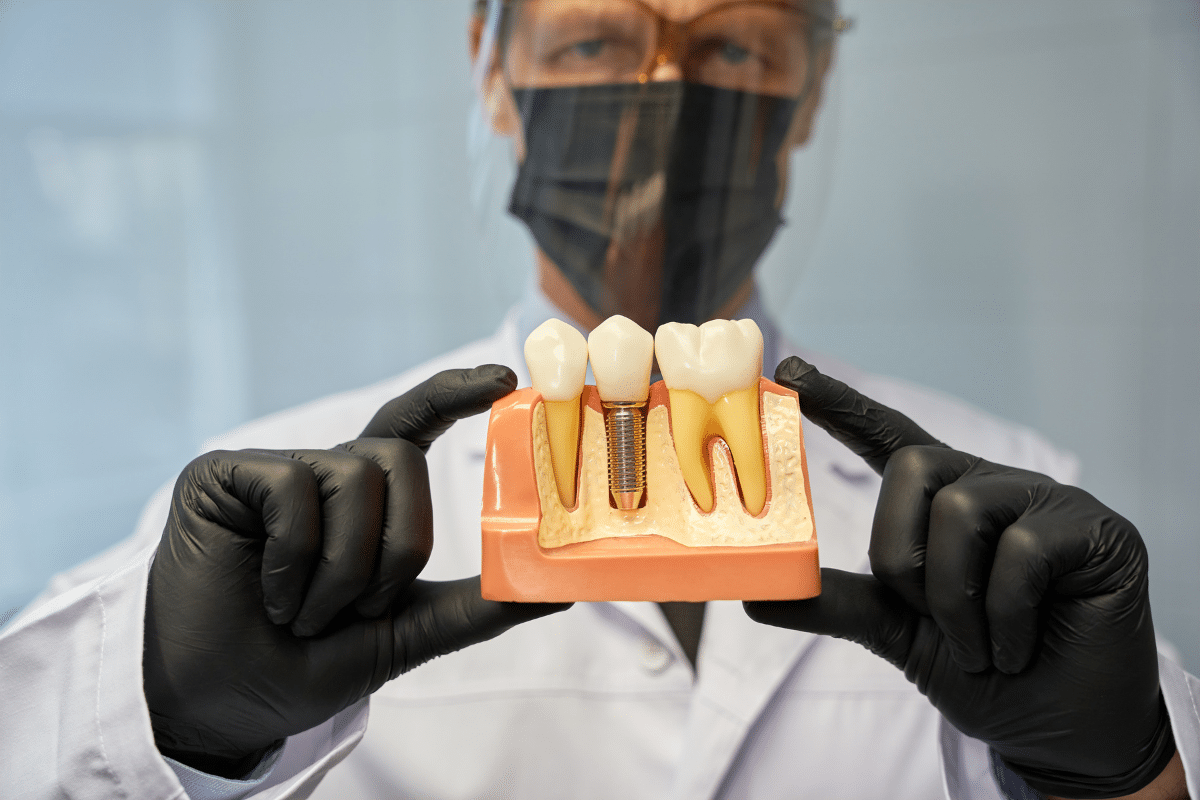
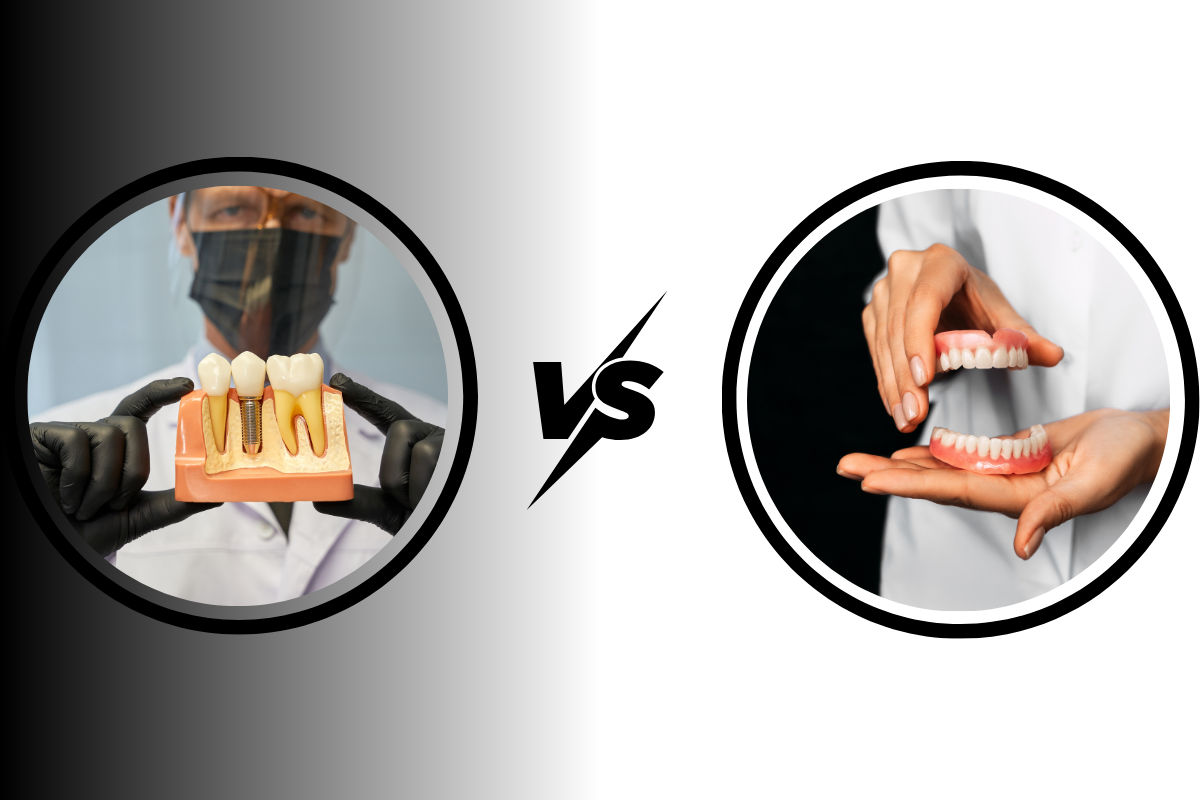
Tooth loss is an inseparable aspect of aging in the minds of many seniors, and it comes with many problems. The gaps in your mouth will not only affect its appearance but also how you eat, talk, and even interact with others. Although the number of missing teeth has been addressed with dentures and braces as the best solutions, dental implants offer a range of benefits over these alternatives. They can be an effective option for older adults, offering a more stable and comfortable solution.
The following are some of the reasons why dental implants for seniors are such a great choice:
- Stability and Comfort: Dental implants are also permanently placed in the jaw, unlike removable dentures. They remain there, allowing you to have your meals at your own leisure.
- Prevention of Bone Loss: Implants stimulate the jawbone, helping prevent bone resorption that usually occurs after tooth loss. This is most pronounced among seniors due to bone loss, which may lead to additional dental problems.
- A More Natural Feel: Dental implants should look, feel, and function like your natural teeth. They provide the most realistic and comfortable ones.
- Longevity: Dental implants are durable and can last a lifetime with proper care. This makes them a more cost-effective solution than alternatives that need to be replaced over time.
Dental Implant: What to Expect
Getting dental implants for seniors might be an overwhelming process, but it is generally straightforward and can give you a boost of confidence, not to mention a smile. Here’s what to expect:
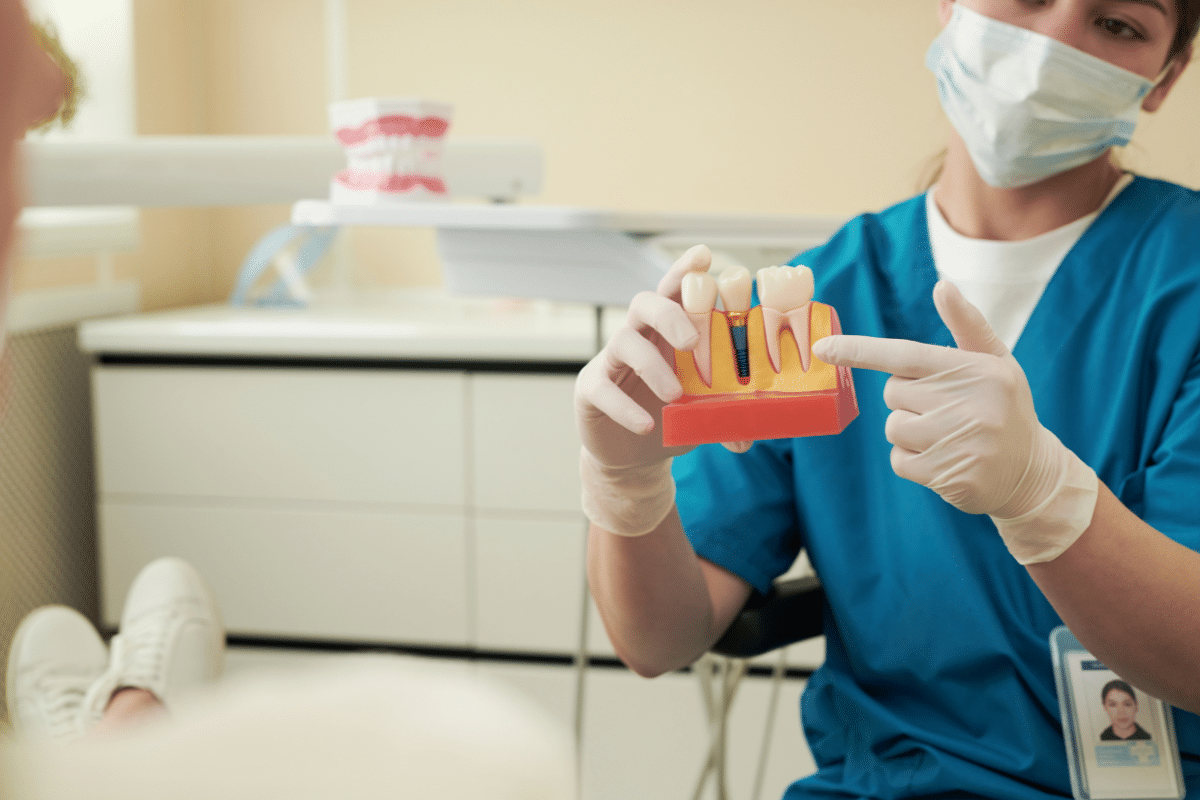
- Consultation: The dentist will assess your oral health during the initial visit to determine whether implants are suitable for you. The dentist can take X-rays to evaluate the condition of your jawbone.
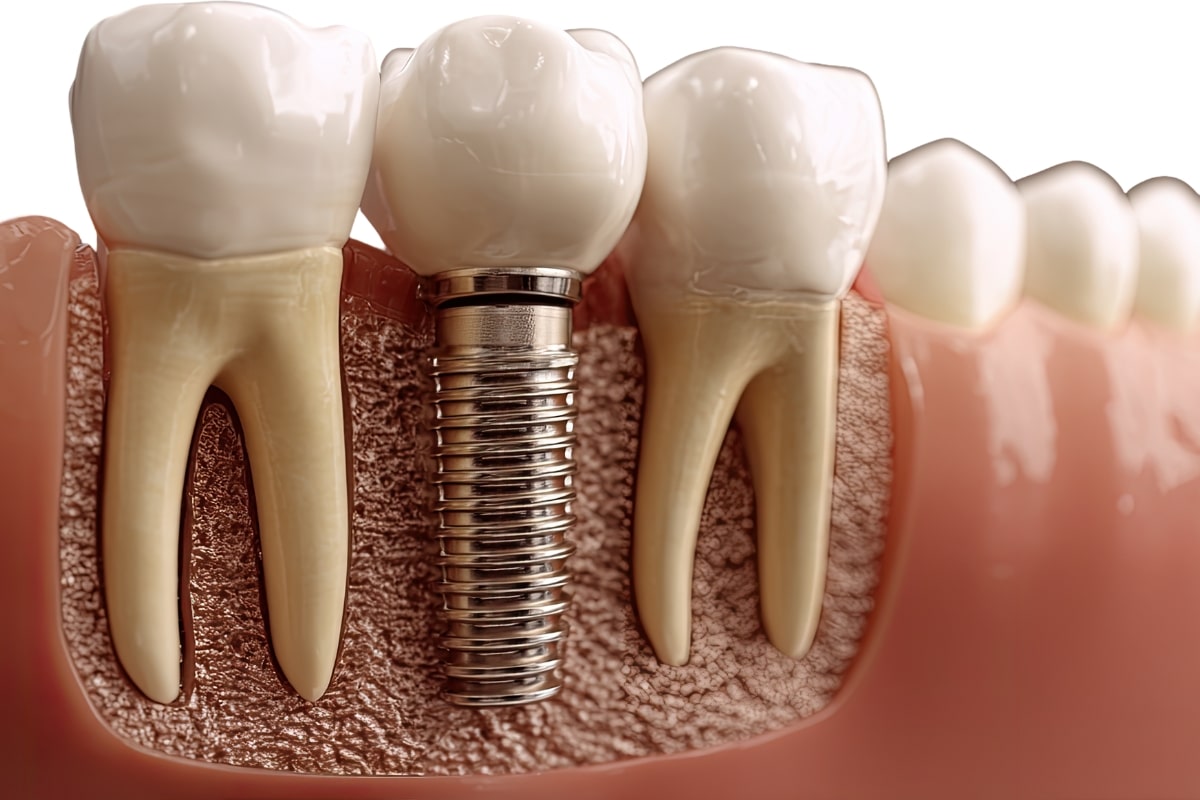
- Implant Placement: The next step is to place a titanium post into your jaw. The process is usually performed with a local anesthetic to make you feel comfortable.
- Healing and Osseointegration: Once the implant has been inserted, it needs to integrate with the jawbone, a process known as osseointegration. This may take several months, though it is imperative to the success of the implant.
- Restoration: After the implant has been well placed and adjusted, the dentist will place a crown over it, giving the tooth a natural appearance and restoring its functionality.
Maintaining Your Dental Implants
Dental implants for seniors are also strong, which is one of their primary benefits, but they still require care over the years to remain in place. The following are some of the tips that can be used to maintain the best condition of your implants:
- Brush and Floss Daily: Implants need to be brushed and flossed, as with the rest of the teeth, to prevent plaque buildup. Use a soft-bristled toothbrush to avoid damaging the implant.
- Dental Checkups: Implants are firm, but regular checkups help ensure they remain healthy and identify issues at their earliest stages.
- Do Not Eat Hard Foods: Implants are tough; however, it is better to avoid tough foods, as they may damage the crown or the implant.
- Keep Hydrated and Eat Well: Being well hydrated and eating a healthy diet support good health and may also help your implants heal and last longer.
The Importance of Act Now: Don’t Let Your Oral Health Decline
It’s essential to act quickly if you’re dealing with missing teeth or discomfort. A delay can cause bone loss, chewing difficulties, and a poor lifestyle. Garner Dental Solutions also provides professional dental implant services to restore the function and appearance of your smile, improving your well-being and oral health.
If you’re considering dental implants, now is the time to act. Book a consultation with us today and learn how dental implants can make a world of difference in your life.
FAQs
What is the expected life of dental implants in the elderly population?
When properly cared for, dental implants can last a lifetime, providing seniors with a lasting, natural-looking replacement for lost teeth.
Can dental implants be painful for older adults?
The operation is typically conducted with local anesthesia, and thus, the pain is minimal. Discomfort after the procedure can be managed with over-the-counter pain relievers.
Are dental implants possible for elderly patients with bone loss?
Yes, most elderly people with bone loss may still get implants. Before implantation, a bone grafting can be required to construct the jawbone.
How should I take care of my dental implants?
To keep your dental implants in good working order, brush and floss every day, visit your dentist regularly, and avoid hard foods.
What are the prices of dental implants among the seniors?
The price will depend on the number of implants and other operations, including bone grafting. Book an appointment to get the correct estimate.
Does insurance cover dental implants?
Your insurance will have coverage. Ask your provider about whether implants are covered under their policy.
What are the benefits of dental implants over dentures?
Dental implants are more comfortable, stable, and durable than dentures. They are also helpful in maintaining jawbone health, which is not achievable with dentures.