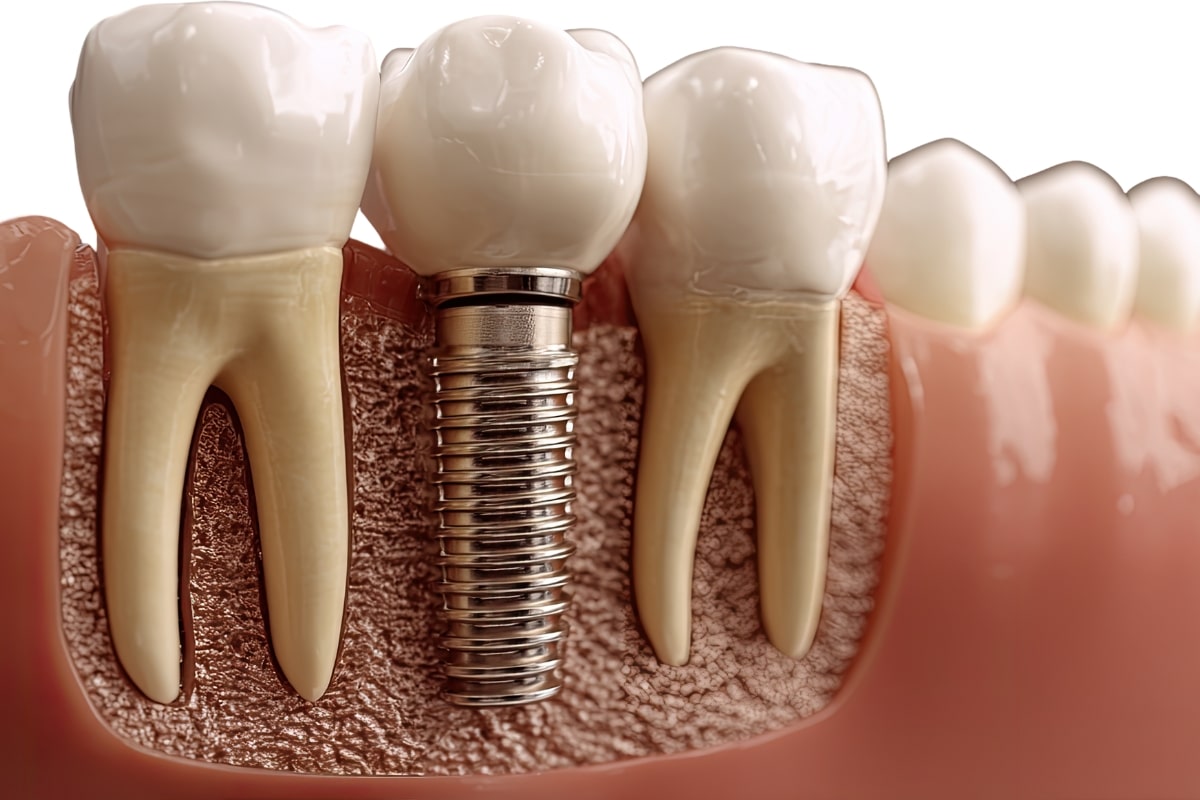

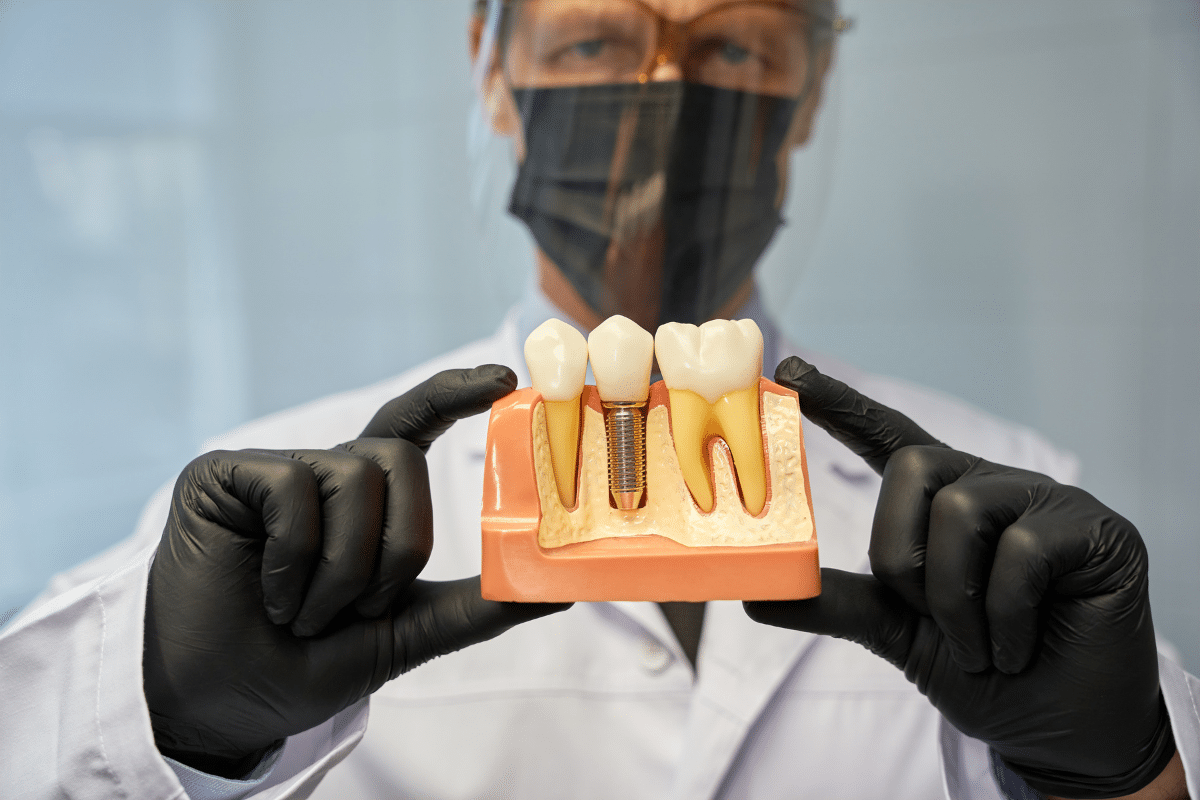
Dental implants are a game-changer for anyone missing a tooth or two. The prosthetics look and feel very natural and are strong enough to serve as a long-term alternative to dentures or bridges. But like any dental procedure, dental implants require proper care to last longer, or even a lifetime. In this blog, we will walk you through the steps for caring for dental implants and share some of the widely used, useful tips to keep your bright new smile shining for years to come.
Why Dental Implant Care Matters
Dental implants are an effective and durable option for replacing missing teeth. An implant is as strong as a natural tooth, but it still needs to be properly maintained to remain in excellent condition. Problems such as infections and periodontal disease can affect the efficacy of dental implants if they’re not properly cared for.
However, once you decide to have implants, it’s essential to understand how to care for dental implants properly. These implants are very resilient, but maintaining a solid oral hygiene routine is necessary to keep them healthy. Taking these steps will allow you to enjoy them for the rest of your life.
Key Tips for the Care of Dental Implants
Dental implant care is no different from the care of normal teeth. However, some points should be noted. Here is a guide for caring for dental implants.
1. Maintain A Good Oral Hygiene Routine
Your implants rest in gums and bones that must remain healthy so they stay in place. Good oral hygiene is a significant factor in fighting gum disease, which threatens the implants.
- Use Your Toothbrush To Clean Your Implants: Brush them at least twice a day with a soft-bristle toothbrush and toothpaste that does not contain abrasive materials. You should avoid brushing with hard-bristle toothbrushes.
- Floss Carefully: Use unwaxed dental floss or specialized implant-friendly floss threaders to clean between your dental implants. Regular flossing will help remove food particles and plaque buildup.
- Use an Antiseptic Mouthwash: Using an antibacterial mouthwash will help prevent infection.
2. Be Mindful of What You Eat
Proper nutrition will help maintain your implant. Dental implants are tough, yet they can be damaged. Hard foods that may break the implant or make the implant uncomfortable should be avoided.
- Limit Hard, Sticky Foods: Do not bite on hard or sticky foods, such as ice or hard candy, as this may break the implant or crown. Eat softer foods that will not undue stress on your implants.
- Eat Nutritious Foods: A healthy diet high in calcium, vitamin D, and other nutrients supports bone health and overall well-being. These nutrients also strengthen the bone surrounding your implant, keeping it firm.
3. Visit Your Dentist Regularly
Implants require regular check-ups with the dentist to maintain. To ensure that your gums and the bone surrounding each implant remain healthy, dentists monitor them. Professional cleaning of implants is also a service they provide, including removing tartar and plaque that cannot be reached by brushing.
- Annual X-rays: Your dentist will likely take yearly X-rays to check the condition of your bones and gums.
- Routine Cleanings: These remove deep-rooted plaque and tartar that cannot be fully removed with brushing or flossing.
4. Avoid Smoking
One of the leading causes of implant failure is smoking. The chemicals that are in tobacco negate healing and damage the health of the gums, which play a crucial role in the success of the implants.
- Effects on recovery: Cigar use decreases the healing rate of gums during surgery, increasing the risk of complications.
- Long-term risks: Smoking can also increase the risk of gum disease, which destroys tissue and bone surrounding the implant and causes its failure.
5. Use a Nightguard if Necessary
Some individuals grind their teeth at night (bruxism). This increases the pressure on the implants during grinding, which can damage them in the long run. The presence of a nightguard protects the implants and prolongs their lifespan.
- Protect Your Implants: A custom-made nightguard distributes the pressure of grinding without damaging implants or other teeth.
6. Address Any Issues Promptly
You should seek help immediately in case of discomfort, pain, or other occurrences around your implants. One can prevent even more critical problems in the future.
- Symptoms to Monitor: Symptoms around an implant, such as pain, tenderness, swelling, are all signs of infection. Uninfected infection may weaken the integrity of the implant.
- Early Intervention: The sooner you visit your dentist with the first sign of trouble, the sooner you will solve your problem and save your implant and your smile.
Protecting Your Investment in Your Smile
Dental implants represent a major investment in your teeth and self-esteem. Now that you know how to care for dental implants, use the above tips and provide adequate care to have a functional, beautiful smile that will last you several years. It is not a matter of whether you are within the Garner, NC, or not; by taking the required measures, your implants will remain healthy and long-lasting.
Conclusion: Keep Your Smile Healthy for Life
Garner Dental Solutions understands the value of your dental implants and is committed to helping you maintain a beautiful, healthy smile in the long run. Regular check-ups, proper care, and oral hygiene will ensure your implants remain safe and functioning.
If you still would like to know more about dental imprint treatment or need an appointment, contact our dental team today!
FAQs
When should I visit my dentist following dental implants?
A check-up and cleaning should be done every 6-12 months. Your dentist can also provide X-rays to monitor the health of the surrounding bone.
Is it possible to eat normally with dental implants?
Yes, but do not take hard or sticky foods, as they may harm the implants or feel unpleasant. Until you are totally healed, stick to softer foods.
Are dental implants prone to cavities?
Plaque accumulation in the gums and bone may also affect the surrounding tissues, but not the implants themselves, leading to gum disease. It is necessary to maintain proper oral hygiene.
What can be done if I feel a loose feeling in my dental implant?
If it becomes loose, visit your dentist. It may indicate an infection or other problems that should be addressed as soon as possible.
Is it possible to smoke once I have installed my dental implants?
Smoking increases the chances of failure of implants. It is most effective to avoid smoking for at least a few weeks after surgery and preferably in the long run to make sure that success was achieved.
Can a regular toothbrush be used in my dental implants?
Of course, but an implant requires a soft-bristled brush and non-abrasive toothpaste to avoid damaging the surface.
What is the life expectancy of dental implants?
Dental implants can last a lifetime when properly cared for. The wear and tear, however, is normal and may require replacement of the crown after 10-15 years.