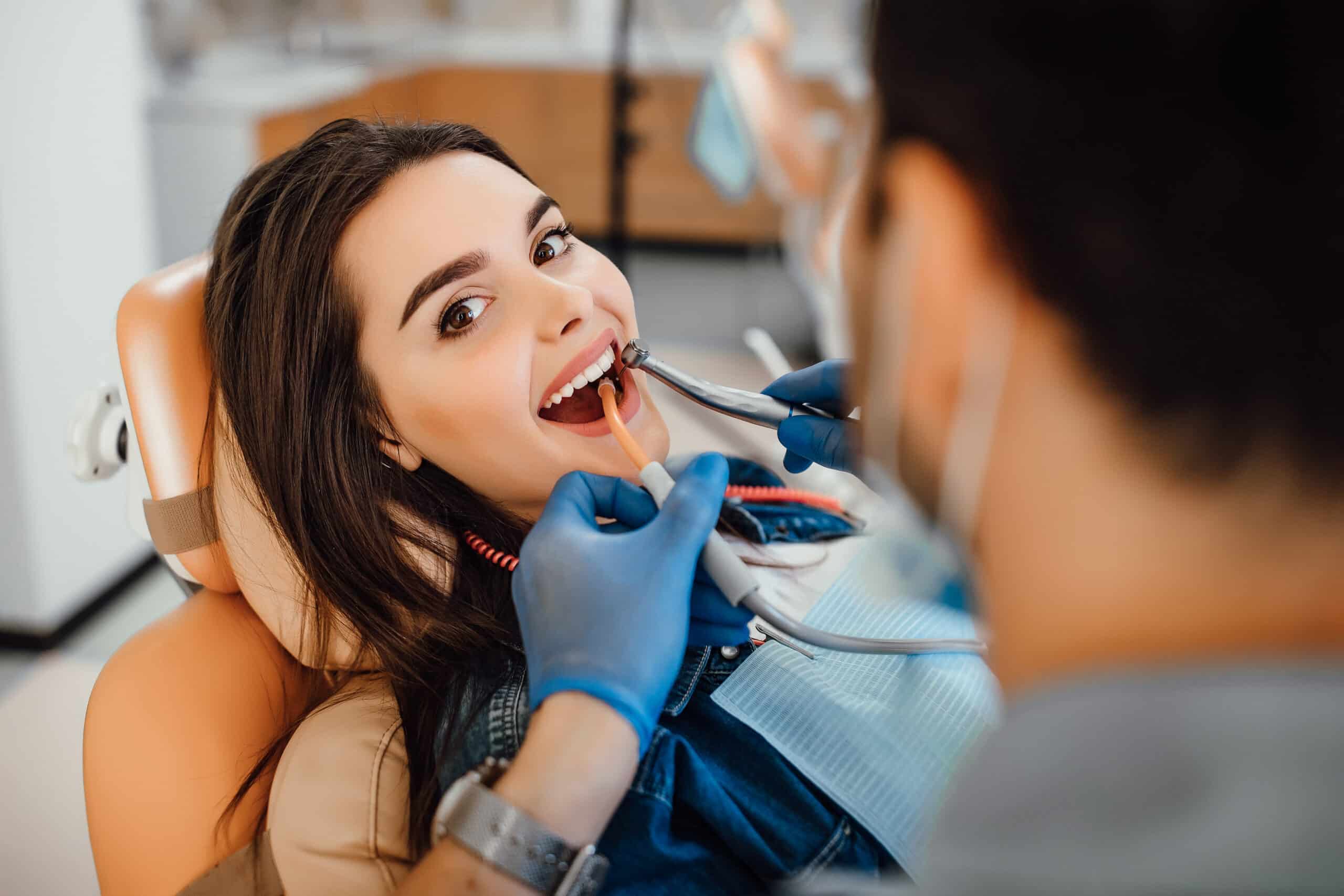


Dental bonding is among the easiest and most convenient ways to enhance your smile. It is indicated for small chips, gaps, and discoloration. Many people wonder whether the process is painful, especially when they are considering it for the first time. Dental bonding is considered one of the most comfortable and non-invasive procedures, with very minimal discomfort. However, myths about pain and discomfort confuse many people.
Dental bonding is a cosmetic dentistry procedure in which a tooth-colored resin is applied to the teeth to repair defects and imperfections. The treatment improves the overall appearance of your teeth. In this blog, we will debunk some common misconceptions about dental bonding and the pain associated with it.
What Is Dental Bonding and How Does It Work?
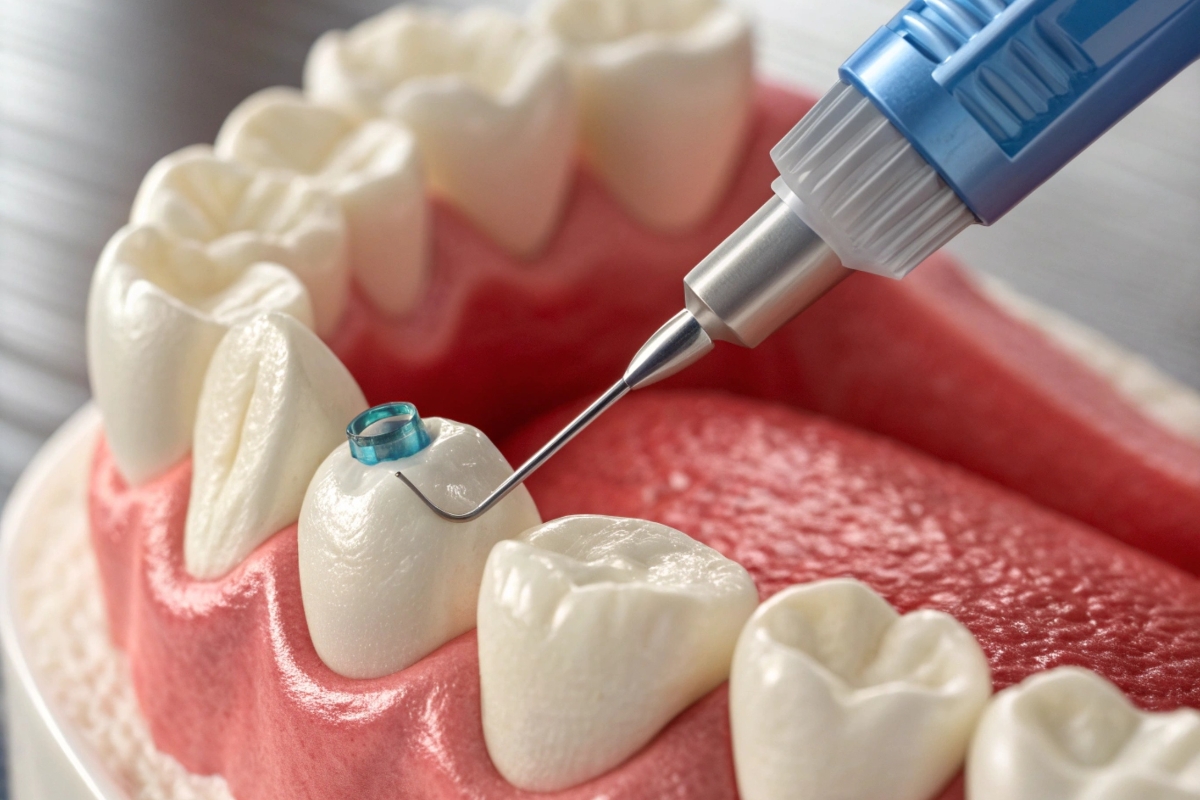
Dental bonding is a cosmetic procedure used to correct slight imperfections in your teeth, such as chips, cracks, and gaps. It is also commonly used for teeth whitening to help restore your natural-looking smile. Your dental expert will apply a tooth-colored resin to the affected area, then sculpt and harden it with a special light.
For dental bonding in Garner, NC, the resin used is extremely versatile and can be molded to the natural contour of your tooth. This means that bonding can help fill gaps, cover discoloration, and even reshape teeth into a more cosmetically pleasing shape and form. Despite its effectiveness, the procedure is minimally invasive and does not require extensive work on the tooth, making it one of the least painful options for dental improvements.
Common Myths About Dental Bonding
Dental bonding is a misunderstood cosmetic procedure, and several myths surround it, making many people skeptical about undergoing the treatment. It is time to separate the facts from fiction. This way, you can make an informed decision about whether dental bonding is the correct procedure for your dental health. Some common myths and realities about dental bonding are provided below.
Myth 1
Dental bonding is painful and requires a long recovery.
Reality: Dental bonding is minimally invasive, and most patients experience it as pain-free. Most people can return to their normal activities immediately after the procedure with little to no discomfort. There’s minimal downtime, and you may not even need anesthesia for most treatments.
Myth 2
Dental bonding is suitable only for minor imperfections and cannot be used for larger repairs.
Reality: Although dental bonding works best for small chips or gaps, it can also be used for larger repairs, and it can even be used to restore teeth. Your dental specialist will assess the severity of the condition and recommend whether bonding would be a good treatment for your particular needs.
Myth 3
Dental bonding does not last long and requires frequent touch-ups.
Reality: Dental bonding lasts for 5 to 10 years, depending on factors such as location, oral habits, and the care you provide. With proper maintenance, including avoidance of hard and sticky foods, it can provide long-term results.
Myth 4
Dental bonding is used only for cosmetic purposes and entails no functional advantages.
Reality: Although dental bonding is generally utilised to improve aesthetics, it also offers functional benefits. Bonding can be used to reconstruct chipped, cracked, or decayed teeth, thereby improving their appearance and enhancing their strength.
Myth 5
Dental bonding is a complex and time-consuming procedure.
Fact: Dental bonding can be done very quickly and, in most circumstances, is completed in a single visit. Usually, the entire process requires about 30 minutes to an hour per tooth and is one of the most convenient and quickest dental treatments around.
Making Your Smile Shine Again
Now that you know dental bonding is easy, pain-free, and effective, it is time to take that further step towards a healthier smile. At Garner Dental Solutions, we offer quality dental care personalized just for you. Our professional team will ensure the dental bonding process is comfortable for you at every stage. With very little discomfort and quick recovery, you can have an improved smile in just one visit.
Ready for a better smile? If you are looking for dental bonding near you, wait no more. Contact us at Garner Dental Solutions to get dental bonding for gaps or other imperfections. Schedule your consultation today and find out how this non-invasive treatment can provide the smile you have always wanted.
FAQs
1. How long does dental bonding last?
Dental bonding typically lasts 5 to 10 years, but its durability depends on factors such as the area treated, your oral habits, and how well you care for your teeth. Avoiding habits like biting hard objects or grinding your teeth can help extend the life of the bonding.
2. Is dental bonding painful?
No, dental bonding is usually painless. The procedure doesn’t require anesthesia for most people, as it’s non-invasive. If you have sensitive teeth, your oral expert may use a mild numbing agent, but pain during the procedure is rare.
3. Can dental bonding be used for gaps in teeth?
Yes, dental bonding is an effective solution for closing small gaps between teeth. The material can be sculpted to fit the shape of your teeth, creating a seamless look that enhances your smile naturally.
4. How long does it take to do dental bonding?
The bonding procedure is typically quick, taking about 30 minutes to an hour per tooth. Since it’s usually done in a single visit, you can walk out with an improved smile in no time.
5. Is dental bonding better than veneers?
Dental bonding is a great choice for minor cosmetic repairs, such as small chips or gaps. However, if you need more extensive improvements like larger tooth restorations or a complete smile makeover, veneers may be a better option due to their longer-lasting durability and more comprehensive coverage.
6. Can I eat normally after dental bonding?
Yes, you can eat right after the procedure, but it’s best to avoid hard or sticky foods for the first 24 hours. This allows the bonding material to set fully, ensuring it stays intact for a longer period.